

Digital Marketing and SEO Tips for Website: Your Complete Guide to Online Success
In today’s competitive online landscape, understanding digital marketing and SEO tips for website optimization has become crucial for businesses of all sizes. Whether you’re launching a new website or looking to improve your existing online presence, mastering these strategies can significantly impact your visibility, traffic, and ultimately, your bottom line.
Understanding the Foundation of Digital Marketing and SEO
Before diving into specific tactics, it’s essential to understand what digital marketing and SEO tips for website success actually entail. Search Engine Optimization (SEO) forms the backbone of your online visibility strategy, while digital marketing encompasses a broader range of tactics including content marketing, social media, email campaigns, and paid advertising. When these elements work together harmoniously, they create a powerful engine for growth.
The digital landscape has evolved dramatically over the past few years. Search engines have become smarter, user behavior has shifted toward mobile devices, and competition for attention has intensified. This makes it more important than ever to implement proven digital marketing and SEO tips for website performance that align with current best practices.
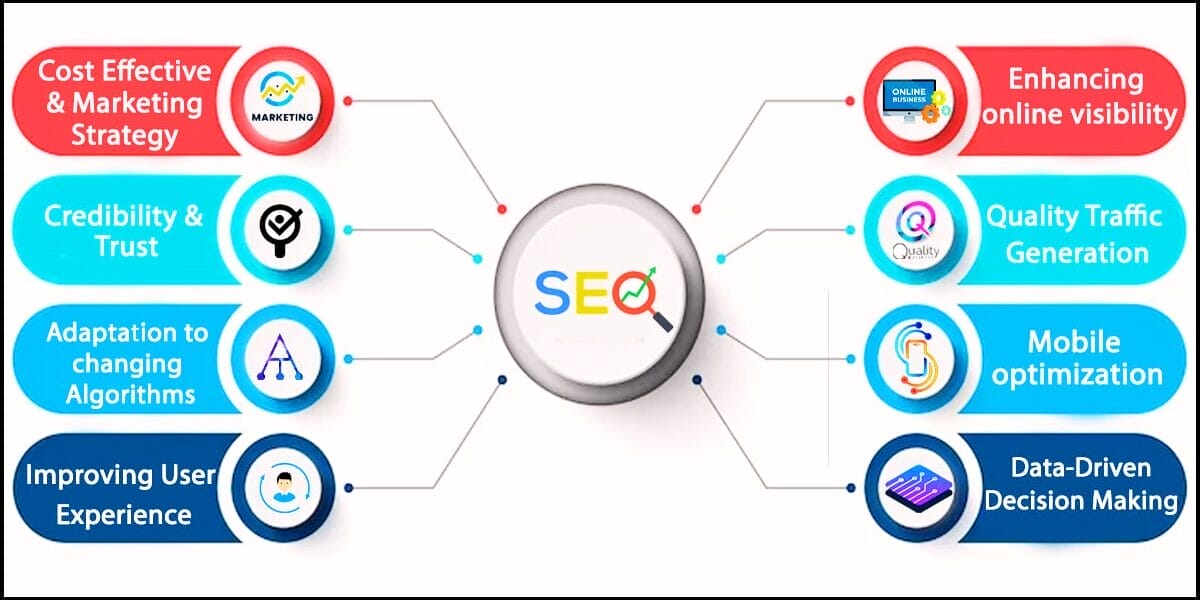
Keyword Research: The Starting Point
Every successful SEO strategy begins with thorough keyword research. This process involves identifying the terms and phrases your target audience uses when searching for products, services, or information related to your business. Tools like Google Keyword Planner, SEMrush, Ahrefs, and Ubersuggest can help you discover valuable keywords with good search volume and manageable competition.
When conducting keyword research, focus on understanding search intent. Are users looking for information, trying to make a purchase, or seeking a specific website? This insight helps you create content that matches what searchers actually want. Long-tail keywords, which are longer and more specific phrases, often convert better because they target users who know exactly what they’re looking for.
On-Page SEO Optimization
On-page SEO refers to all the elements you can control directly on your website. These digital marketing and SEO tips for website optimization start with your page titles and meta descriptions. Your title tag should be compelling, include your target keyword, and stay under 60 characters to avoid truncation in search results. Meta descriptions, while not a direct ranking factor, influence click-through rates and should be written persuasively within 155-160 characters.
Header tags (H1, H2, H3, etc.) structure your content and help search engines understand your page hierarchy. Your H1 should include your primary keyword and clearly indicate what the page is about. Subheadings should organize your content logically and include related keywords naturally.
URL structure matters more than many people realize. Clean, descriptive URLs that include relevant keywords perform better than complex strings of numbers and parameters. For example, “yoursite.com/digital-marketing-tips” is far superior to “yoursite.com/page?id=12345”.
Image optimization is another critical component. Use descriptive file names before uploading images, add alt text that describes the image while incorporating keywords naturally, and compress images to improve page load speed without sacrificing quality.
Content Quality and Strategy
Content remains king in the world of SEO. Creating high-quality, valuable content is one of the most important digital marketing and SEO tips for website success you’ll ever implement. Your content should address user questions, solve problems, and provide genuine value. Search engines have become remarkably sophisticated at identifying thin, low-quality content, so focus on depth and usefulness.
Develop a content calendar that ensures consistent publishing. Regular updates signal to search engines that your site is active and relevant. Mix different content types including blog posts, guides, infographics, videos, and case studies to appeal to different learning styles and preferences.
Content length matters, but only if the length is justified by the value provided. Comprehensive guides that thoroughly cover a topic tend to perform well, but don’t pad your content unnecessarily. Every paragraph should serve a purpose and move the reader closer to understanding or taking action.
Technical SEO Fundamentals
Technical SEO ensures that search engines can crawl, index, and understand your website effectively. Site speed is a crucial ranking factor and user experience element. Use tools like Google PageSpeed Insights to identify performance issues, then optimize by compressing images, leveraging browser caching, minimizing CSS and JavaScript, and considering a content delivery network (CDN).
Mobile optimization is no longer optional. With mobile-first indexing, Google primarily uses the mobile version of your site for ranking and indexing. Ensure your website is fully responsive, loads quickly on mobile devices, and provides an excellent user experience regardless of screen size.
Implement structured data markup (schema) to help search engines understand your content better and potentially earn rich snippets in search results. These enhanced listings can significantly improve click-through rates by displaying additional information like ratings, prices, or event details directly in search results.
Create and submit an XML sitemap to help search engines discover and index your pages efficiently. Use a robots.txt file to guide search engine crawlers and prevent them from accessing pages you don’t want indexed.
Link Building Strategies
Backlinks remain one of the most powerful ranking signals. Quality links from authoritative, relevant websites tell search engines that your content is trustworthy and valuable. Among the most effective digital marketing and SEO tips for website authority is developing a strategic link building approach.
Create linkable assets like original research, comprehensive guides, infographics, or tools that naturally attract links. Guest posting on reputable industry websites can earn quality backlinks while expanding your reach. Build relationships with influencers and industry leaders who might share or link to your content.
Broken link building involves finding broken links on other websites and suggesting your relevant content as a replacement. This provides value to the site owner while earning you a backlink. Monitor your competitors’ backlink profiles to identify opportunities they’ve successfully pursued.
Internal linking shouldn’t be overlooked. Linking between your own pages helps search engines understand your site structure, distributes page authority, and keeps visitors engaged longer.
Local SEO for Geographical Targeting
If you serve a specific geographical area, local SEO is essential. Claim and optimize your Google Business Profile with accurate information, relevant categories, high-quality photos, and regular posts. Encourage satisfied customers to leave reviews and respond to all reviews professionally.
Ensure your NAP (Name, Address, Phone number) is consistent across all online directories and citations. Inconsistencies can confuse search engines and potential customers. Create location-specific content and landing pages if you serve multiple areas.
Social Media Integration
While social signals aren’t direct ranking factors, social media plays an important role in digital marketing and SEO tips for website promotion. Social platforms drive traffic, increase brand awareness, and create opportunities for content distribution and link building.
Choose platforms where your target audience is most active rather than trying to maintain a presence everywhere. Create shareable content optimized for each platform’s unique format and audience. Engage authentically with your followers by responding to comments, participating in conversations, and building genuine relationships.
Analytics and Performance Tracking
You can’t improve what you don’t measure. Google Analytics and Google Search Console are essential tools for tracking your website’s performance. Monitor metrics like organic traffic, bounce rate, average session duration, and conversion rates. Identify which pages perform well and which need improvement.
Track keyword rankings to understand how your optimization efforts are paying off. Set up goal tracking to measure conversions and understand which traffic sources and pages contribute most to your business objectives. Regular analysis helps you identify trends, spot issues early, and make data-driven decisions.
Email Marketing Synergy
Email marketing complements your SEO efforts by nurturing relationships with your audience. Build an email list by offering valuable lead magnets like ebooks, checklists, or exclusive content. Segment your list based on interests or behaviors to deliver more relevant messages.
Use email to promote new content, drive traffic back to your website, and engage subscribers who might have forgotten about you. These digital marketing and SEO tips for website traffic generation work together when email subscribers visit your site, spend time engaging with content, and potentially share or link to it.
Paid Advertising and SEO
While SEO focuses on organic rankings, paid advertising through platforms like Google Ads can complement your efforts. PPC campaigns provide immediate visibility while your SEO efforts gain momentum. Use paid search data to identify high-converting keywords worth targeting organically.
Remarketing campaigns keep your brand in front of previous visitors, increasing the likelihood they’ll return and convert. Social media advertising helps promote content to targeted audiences who might not find you through search alone.
User Experience and Engagement
Search engines increasingly prioritize user experience signals. Factors like dwell time, bounce rate, and pages per session indicate whether visitors find your content valuable. Design your website with user experience in mind by ensuring intuitive navigation, clear calls-to-action, and mobile-friendly layouts.
Page layout matters significantly. Use white space effectively, break up text with images and subheadings, and make sure important elements are visible without excessive scrolling. Fast load times, clean design, and easy-to-read fonts all contribute to better user engagement.
Voice Search Optimization
With the growing popularity of voice assistants, optimizing for voice search is becoming increasingly important among digital marketing and SEO tips for website visibility. Voice queries tend to be longer and more conversational than typed searches. Create content that answers specific questions using natural language.
FAQ pages work particularly well for voice search optimization. Structure them with clear questions as headings and concise answers that directly address the query. Featured snippets often serve as voice search results, so formatting your content to appear in position zero can increase your voice search visibility.
Continuous Learning and Adaptation
The digital marketing landscape evolves constantly. Search engine algorithms change, new platforms emerge, and user behavior shifts. Stay informed by following industry blogs, attending webinars, and participating in professional communities. Test new strategies, analyze results, and be willing to adapt your approach based on what the data tells you.
Conclusion
Implementing effective digital marketing and SEO tips for website success requires patience, consistency, and a willingness to learn. There’s no magic formula or overnight solution, but by focusing on creating value for your audience, optimizing technical elements, building quality links, and measuring your results, you’ll build a strong foundation for long-term growth.
Start with the fundamentals: thorough keyword research, high-quality content creation, and solid technical optimization. As you gain confidence and see results, expand into more advanced tactics like link building, local SEO, and integrated marketing campaigns. Remember that SEO is a marathon, not a sprint. The websites that succeed are those that consistently apply best practices while adapting to changes in the digital landscape.
By following these digital marketing and SEO tips for website optimization, you’ll be well-positioned to increase your visibility, attract qualified traffic, and achieve your online business goals. The investment in time and effort will pay dividends as your rankings improve, traffic grows, and conversions increase.
Follow us : social mediahttp://facebook.com
Read more : https://digisweksha.com/
Add a Comment