

Content Marketing: The Ultimate Guide to Building Your Brand in 2025
In today’s digital landscape, businesses face an unprecedented challenge: capturing and maintaining audience attention in an oversaturated marketplace. Traditional advertising methods are losing their effectiveness as consumers become increasingly skeptical of promotional messages. This is where content marketing emerges as a game-changing strategy that transforms how brands connect with their audiences.
Understanding Content Marketing
Content marketing is a strategic approach focused on creating and distributing valuable, relevant, and consistent content to attract and retain a clearly defined audience. Unlike traditional advertising that interrupts potential customers with promotional messages, this methodology provides genuine value that naturally draws people toward your brand.
The essence of content marketing lies in building trust and establishing authority within your industry. When executed effectively, it positions your business as a thought leader while simultaneously addressing the pain points and questions your target audience faces daily.
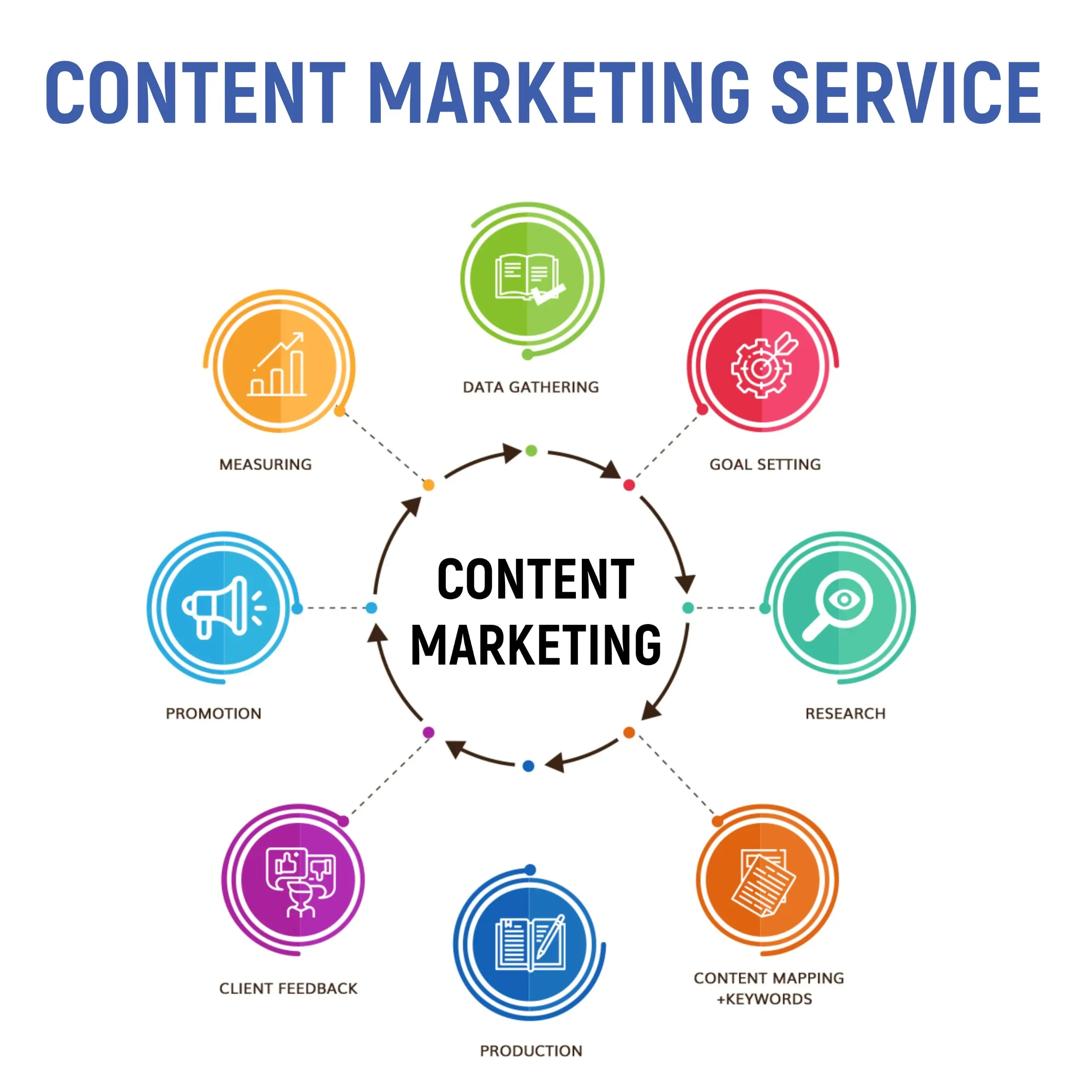
Why Content Marketing Matters Now More Than Ever
The digital revolution has fundamentally altered consumer behavior. Today’s buyers conduct extensive research before making purchasing decisions, often consuming multiple pieces of content across various platforms. They seek authenticity, expertise, and solutions to their problems rather than aggressive sales pitches.
Content marketing meets this demand by providing educational resources, entertainment, and insights that resonate with your audience’s needs. This approach creates a reciprocal relationship where consumers receive value first, making them more receptive to your brand message when they’re ready to make a purchase.
Research consistently demonstrates that businesses implementing robust content marketing strategies experience higher engagement rates, improved brand loyalty, and better conversion metrics compared to those relying solely on traditional advertising methods.
Core Components of Effective Content Marketing
Strategic Planning and Goal Setting
Success in content marketing begins with comprehensive strategic planning. Define clear, measurable objectives aligned with your overall business goals. Are you aiming to increase brand awareness, generate qualified leads, boost customer retention, or establish thought leadership?
Your strategy should include detailed audience personas that encompass demographic information, behavioral patterns, pain points, and content consumption preferences. Understanding your audience at this granular level enables you to create content that truly resonates.
Content Creation Excellence
The foundation of any content marketing initiative is high-quality content creation. This encompasses various formats including blog posts, videos, podcasts, infographics, case studies, whitepapers, and social media posts. Each format serves different purposes and appeals to various audience segments.
Quality trumps quantity in modern content marketing. A single comprehensive, well-researched article provides more value than multiple superficial posts. Your content should demonstrate expertise, offer actionable insights, and present information in an engaging, accessible manner.
Distribution and Promotion
Creating exceptional content represents only half the equation. Effective distribution ensures your content reaches the right audience at optimal times. This involves leveraging multiple channels including your website, email newsletters, social media platforms, guest posting opportunities, and content syndication networks.
Content marketing distribution requires understanding where your audience spends their time online and tailoring your approach accordingly. LinkedIn might be ideal for B2B audiences, while Instagram and TikTok could better serve consumer-focused brands targeting younger demographics.
Measurement and Optimization
Data-driven decision making separates successful content marketing programs from mediocre ones. Establish key performance indicators (KPIs) that align with your objectives, whether that’s website traffic, engagement metrics, lead generation, or conversion rates.
Regularly analyze performance data to identify patterns, understand what resonates with your audience, and refine your approach. This iterative process of testing, learning, and optimizing ensures continuous improvement in your content marketing efforts.
Building a Content Marketing Framework
Conducting Comprehensive Audience Research
Deep audience understanding forms the bedrock of effective content marketing. Go beyond basic demographics to explore psychographic factors including values, interests, challenges, and aspirations. Conduct surveys, interviews, and social listening exercises to gather insights directly from your target market.
Analyze search queries related to your industry to understand what information people actively seek. This research reveals content opportunities and helps you address actual audience needs rather than assumptions.
Developing a Content Calendar
Consistency is crucial in content marketing. A well-structured content calendar provides a roadmap for your publishing schedule, ensuring regular content delivery while maintaining strategic alignment. Your calendar should account for seasonal trends, industry events, product launches, and promotional campaigns.
Plan diverse content types and topics to maintain audience interest while addressing different stages of the buyer’s journey. Mix educational content for awareness-stage prospects with comparison guides for consideration-stage leads and case studies for decision-ready buyers.
Creating Compelling Content Assets
Excellence in content marketing demands attention to both substance and style. Every piece should provide genuine value while being crafted in an engaging, readable format. Use storytelling techniques to make your content memorable and relatable.
Incorporate multimedia elements like images, videos, and interactive components to enhance engagement. Break up text with descriptive subheadings, bullet points, and white space to improve readability and user experience.
Leveraging SEO Best Practices
Search engine optimization amplifies your content marketing reach by improving organic visibility. Conduct keyword research to identify terms your audience uses when seeking information related to your expertise. Naturally incorporate these keywords while prioritizing content quality and readability.
Optimize technical elements including meta descriptions, title tags, header structure, and internal linking. Build authoritative backlinks through guest posting, digital PR, and creating link-worthy content that others naturally want to reference.
Content Marketing Across Different Channels
Blog Content Strategy
Blogging remains a cornerstone of content marketing strategies. A regularly updated blog establishes your expertise, improves search visibility, and provides shareable content for social media. Focus on creating comprehensive guides, industry insights, how-to articles, and thought leadership pieces.
Long-form content typically performs better for content marketing purposes, as it allows thorough exploration of topics while naturally incorporating relevant keywords and providing substantial value to readers.
Video Content Excellence
Video has become an essential content marketing format, with consumption rates continuing to rise across all demographics. Create educational tutorials, product demonstrations, behind-the-scenes content, customer testimonials, and thought leadership interviews.
Optimize videos for different platforms, understanding that YouTube requires different approaches than Instagram Reels or LinkedIn video posts. Include captions for accessibility and to capture attention in sound-off environments.
Social Media Content
Social media platforms serve as both distribution channels and content creation spaces within your content marketing ecosystem. Develop platform-specific strategies that align with each network’s unique culture and user expectations.
Share a mix of original content, curated industry news, user-generated content, and interactive posts that encourage audience participation. Consistency and authenticity drive social media content marketing success.
Email Marketing Integration
Email remains one of the highest-ROI channels in content marketing. Segment your email list based on behavior, interests, and customer journey stage to deliver personalized content experiences. Use email to distribute your best content while nurturing relationships with subscribers.
Craft compelling subject lines, provide clear value propositions, and include strong calls-to-action that guide readers toward desired next steps in their journey with your brand.
Overcoming Content Marketing Challenges
Maintaining Consistency
One of the biggest obstacles in content marketing is sustaining consistent output over time. Combat this challenge by batch-creating content during high-productivity periods, repurposing existing content into new formats, and building a content library you can draw from during busy periods.
Consider outsourcing certain aspects or building a content team to distribute the workload and maintain publishing momentum.
Standing Out in Saturated Markets
As content marketing adoption increases, cutting through the noise becomes more challenging. Differentiate your content through unique perspectives, original research, compelling storytelling, and exceptional production quality.
Find underserved niches within your industry where you can establish authority before expanding into more competitive topics.
Demonstrating ROI
Proving content marketing value to stakeholders requires clear metrics and attribution models. Connect content performance to business outcomes by tracking the complete customer journey from first content interaction to conversion.
Use marketing automation and analytics tools to demonstrate how content contributes to lead generation, nurturing, and customer acquisition.
The Future of Content Marketing
Content marketing continues evolving with technological advancement and changing consumer preferences. Artificial intelligence and machine learning are transforming content creation, personalization, and distribution processes. However, the human elements of creativity, strategic thinking, and authentic connection remain irreplaceable.
Interactive content experiences, voice search optimization, and highly personalized content journeys represent emerging trends in content marketing. Brands that adapt to these innovations while maintaining core principles of value creation and audience focus will thrive.
Conclusion
Mastering content marketing requires commitment, strategic thinking, and continuous learning. It’s not a quick fix or one-time campaign but rather a long-term investment in building meaningful relationships with your audience. By consistently delivering valuable content that addresses real needs and demonstrates genuine expertise, you establish trust that translates into sustainable business growth.
The businesses that excel in content marketing understand that success comes from putting audience needs first, maintaining authenticity, and adapting strategies based on performance data and evolving market conditions. Whether you’re just beginning your content journey or refining an established program, these principles provide a foundation for creating content that truly resonates and drives results.
Start where you are, focus on quality over quantity, and remember that every piece of content represents an opportunity to strengthen your brand’s position in the marketplace. The investment you make in content marketing today builds the audience relationships and brand authority that fuel tomorrow’s success.
Follow us : social media http://facebook.om
Read more : https://digisweksha.com/
Add a Comment