
demo-attachment-1240-Mask-Group-40

Email Marketing

Email Marketing: The Ultimate Guide to Building Customer Relationships and Driving Revenue

In today’s digital landscape, businesses are constantly searching for effective ways to connect with their audience and drive meaningful results. While social media platforms come and go, one strategy has remained consistently powerful for decades: email marketing. This comprehensive guide will explore how businesses can leverage this channel to build lasting relationships, increase conversions, and maximize their return on investment.

Understanding the Power of Modern Communication Channels

Despite the rise of numerous digital communication platforms, sending targeted messages directly to inboxes remains one of the most effective ways to reach customers. With an average ROI of $42 for every dollar spent, this approach outperforms most other digital strategies. The reason is simple: people check their inboxes multiple times daily, making it a direct line to your audience’s attention.

Email marketing allows businesses to own their audience relationships without depending on algorithm changes or platform policies. Unlike social media, where you’re essentially renting space on someone else’s platform, building a subscriber list means you control how and when you communicate with your customers.
Email Marketing

Building a Quality Subscriber List

The foundation of successful email marketing starts with building a high-quality subscriber list. Rather than purchasing lists or using questionable tactics, focus on organic growth strategies that attract genuinely interested subscribers.

Start by creating compelling lead magnets that provide real value to your target audience. These could include ebooks, templates, webinars, discount codes, or exclusive content that solves a specific problem. Place signup forms strategically across your website, including your homepage, blog posts, and checkout pages.

Consider implementing a double opt-in process to ensure subscribers genuinely want to receive your messages. While this adds an extra step, it significantly improves engagement rates and reduces spam complaints. Your email marketing efforts will be far more successful when targeting people who actively chose to hear from you.

Social proof also plays a crucial role in list building. Display subscriber counts, testimonials, or examples of previous newsletter content to show potential subscribers what they’re missing. Make the value proposition crystal clear: what will they gain by joining your list?

Segmentation: The Key to Relevance

One of the biggest mistakes businesses make with email marketing is treating their entire list as a homogeneous group. Effective segmentation allows you to send highly targeted messages that resonate with specific audience segments.

Start with basic demographic segmentation based on factors like location, age, or gender. Then move to behavioral segmentation, grouping subscribers based on their actions, such as purchase history, website activity, or email engagement patterns.

Consider creating segments based on where subscribers are in the customer journey. New subscribers need different content than loyal customers. Someone who abandoned their cart requires a different approach than someone who just made their fifth purchase.

Advanced email marketing strategies include predictive segmentation, using data analytics to identify patterns and predict future behavior. This allows you to proactively send relevant content before customers even realize they need it.

Crafting Compelling Content That Converts

The success of your email marketing campaigns depends heavily on the quality of your content. Every message should provide value, whether through education, entertainment, or exclusive offers.

Start with attention-grabbing subject lines that create curiosity without resorting to clickbait. Your subject line is the gatekeeper to your content, so invest time in crafting multiple options and testing them to see what resonates with your audience.

The preview text, or preheader, is equally important in email marketing. This snippet appears alongside your subject line in most inboxes, giving you additional space to entice opens. Use it strategically to complement your subject line rather than simply repeating it.

Within the body of your messages, focus on clarity and scannability. Most people skim emails rather than reading every word. Use short paragraphs, bullet points, subheadings, and images to break up text and guide readers through your content.

Every message should have a clear call-to-action. Whether you want subscribers to make a purchase, read a blog post, or reply to your message, make it obvious what step they should take next. Use contrasting colors for buttons and place your primary CTA above the fold when possible.

Automation: Working Smarter, Not Harder

Marketing automation transforms how businesses communicate with their audience, allowing you to send timely, relevant messages without manual effort. Setting up automated workflows is essential for scaling your email marketing efforts.

Welcome series are the perfect starting point for automation. When someone joins your list, automatically send a series of messages that introduce your brand, set expectations, and deliver the promised lead magnet. This series establishes the foundation for your relationship with new subscribers.

Abandoned cart sequences are crucial for e-commerce businesses using email marketing. When someone adds items to their cart but doesn’t complete the purchase, automated reminders can recover significant revenue. Include product images, address common objections, and consider offering a small incentive for completing the purchase.

Birthday and anniversary emails create personal touchpoints that strengthen customer relationships. These automated messages feel special and typically see higher engagement rates than standard promotional content.

Re-engagement campaigns automatically identify inactive subscribers and attempt to win them back with special offers or content. This helps maintain list health and gives subscribers who’ve lost interest a chance to reconnect with your brand.

Personalization Beyond First Names

While including a subscriber’s first name is a good start, effective email marketing goes far beyond basic personalization. Modern customers expect experiences tailored to their specific interests, behaviors, and needs.

Dynamic content allows you to show different message elements to different subscribers within the same campaign. Someone in New York might see winter coat recommendations while someone in Florida sees swimwear, all within a single send.

Product recommendations based on browsing or purchase history make your email marketing feel more like a personal shopping assistant than mass communication. Use collaborative filtering and purchase patterns to suggest items subscribers are likely to love.

Personalized send times ensure your messages arrive when individual subscribers are most likely to engage. Some people check their inbox first thing in the morning, while others are more active in the evening. Optimizing send times for each subscriber can significantly improve open rates.

Behavioral triggers allow you to respond to specific actions subscribers take. If someone downloads a whitepaper about a particular topic, follow up with related resources. If they browse a specific product category, send relevant recommendations.

Design That Drives Action

The visual presentation of your messages significantly impacts their effectiveness. Strong email marketing design balances aesthetics with functionality across all devices.

Mobile optimization is non-negotiable in today’s landscape, with over 60% of emails opened on mobile devices. Use responsive design templates that automatically adjust to different screen sizes. Keep your layout simple with a single-column structure, large buttons, and legible font sizes.

Maintain consistent branding across all your messages to build recognition and trust. Use your brand colors, fonts, and logo placement consistently. Subscribers should instantly recognize your messages as they scan their inbox.

Strategic use of white space prevents your messages from feeling cluttered and overwhelming. Don’t try to cram too much information into a single send. If you have multiple messages, consider separate campaigns rather than one massive email.

Include alt text for all images in your email marketing. Many email clients block images by default, and alt text ensures your message still makes sense even when images don’t load. This also improves accessibility for subscribers using screen readers.

Measuring Success and Optimizing Performance

Data-driven decision making is essential for improving your email marketing results over time. Understanding key metrics helps you identify what’s working and what needs adjustment.

Open rate measures how many subscribers opened your message. While not perfect due to privacy changes affecting tracking, it provides insight into subject line effectiveness and sender reputation. Industry benchmarks vary, but most sectors see open rates between 15-25%.

Click-through rate shows the percentage of recipients who clicked a link in your message. This metric indicates how compelling your content and calls-to-action are. Focus on improving CTR by testing different content approaches, button placement, and messaging.

Conversion rate is ultimately the most important metric for email marketing campaigns. It measures how many subscribers took your desired action, whether making a purchase, downloading a resource, or registering for an event. Track conversions through your analytics platform and attribute them to specific campaigns.

Unsubscribe rate helps you understand when you’re missing the mark with content or frequency. While some unsubscribes are inevitable and even healthy for list quality, sudden spikes indicate something needs adjustment.

List growth rate shows whether you’re acquiring new subscribers faster than you’re losing them. Healthy email marketing programs maintain steady list growth while keeping engagement high.

Testing and Iteration

Continuous improvement through testing is what separates good email marketing from great campaigns. A/B testing allows you to make data-backed decisions rather than relying on assumptions.

Test subject lines to discover what language, length, and style resonates with your audience. Try different approaches like questions versus statements, emojis versus plain text, or personalized versus generic subjects.

Test send times and days to optimize when your messages arrive. What works for one audience might not work for another. Some businesses see better results on Tuesday mornings while others perform better on weekend afternoons.

Test different types of content to understand what your audience values most. Do they prefer long-form educational content or quick tips? Do they respond better to product-focused messages or lifestyle content?

Test your calls-to-action by varying button text, color, size, and placement. Small changes can significantly impact click-through and conversion rates in your email marketing campaigns.

Compliance and Best Practices

Staying compliant with email marketing regulations protects your business and builds trust with subscribers. Understanding and following the rules isn’t optional.

The CAN-SPAM Act in the United States requires several elements in commercial emails: accurate sender information, clear identification as an advertisement, a valid physical address, and a visible unsubscribe mechanism that works promptly.

GDPR in Europe imposes stricter requirements, including explicit consent before sending marketing messages and clear privacy policies explaining how you’ll use subscriber data. If you have any European subscribers, GDPR compliance is mandatory.

Always honor unsubscribe requests immediately. Not only is it required by law, but continuing to message people who don’t want to hear from you damages your sender reputation and deliverability.

Maintain good list hygiene by regularly removing inactive subscribers, fixing bounced addresses, and validating new signups. Clean lists improve your sender reputation and ensure better inbox placement.

Deliverability: Getting Your Messages Seen

Even the best email marketing content is worthless if it never reaches the inbox. Deliverability requires ongoing attention and technical knowledge.

Authenticate your domain using SPF, DKIM, and DMARC records. These technical configurations prove to email providers that your messages are legitimate and help prevent spoofing.

Maintain a strong sender reputation by following best practices, avoiding spam triggers, and keeping engagement high. Email providers watch how recipients interact with your messages, and poor engagement signals that your content might be unwanted.

Monitor your IP reputation if you’re sending from a dedicated IP address. Warm up new IPs gradually and maintain consistent sending patterns to build positive reputation over time.

Avoid spam trigger words and tactics in your email marketing messages. While spam filters are sophisticated enough that single words rarely cause problems, excessive use of sales language, all caps, and multiple exclamation points can raise red flags.

The Future of Direct Communication

Email marketing continues to evolve with technological advances and changing consumer expectations. Artificial intelligence and machine learning are enabling more sophisticated personalization and predictive analytics. Interactive emails with embedded functionality allow subscribers to take actions without leaving their inbox.

The strategy remains powerful because it combines the intimacy of personal communication with the efficiency of automation and the precision of data-driven targeting. As privacy concerns grow and third-party cookies disappear, owned channels become even more valuable.

Businesses that invest in building quality subscriber lists, creating valuable content, and maintaining strong relationships through email marketing will continue to see exceptional returns. The key is approaching it as a long-term relationship-building strategy rather than a quick-win tactic.

Conclusion

Success with email marketing requires a strategic approach combining list building, segmentation, compelling content, automation, and continuous optimization. While the tactics and technologies evolve, the fundamental principles remain constant: provide value, respect your subscribers, and build genuine relationships.

Start by focusing on organic list growth and delivering consistent value. Implement basic automation to scale your efforts, then gradually add sophistication through advanced segmentation and personalization. Measure your results, test continuously, and always prioritize subscriber experience over short-term gains.

Whether you’re just beginning your email marketing journey or looking to improve existing programs, remember that building a profitable channel takes time. Be patient, stay consistent, and focus on serving your subscribers’ needs. The results will follow naturally when you approach email marketing as a relationship rather than just another marketing channel.

follow us : social media http://facebook.com

Read more :https://digisweksha.com/

demo-attachment-1238-Mask-Group-39

Mobile Phone Advertising

Mobile Phone Advertising: The Future of Digital Marketing

The digital marketing landscape has undergone a dramatic transformation over the past decade, and at the heart of this revolution lies mobile phone advertising. As smartphones have become an integral part of our daily lives, businesses have recognized the immense potential of reaching consumers through these pocket-sized devices. This comprehensive guide explores the evolution, strategies, benefits, and future of mobile phone advertising in today’s interconnected world.

The Rise of Mobile Phone Advertising

The journey of mobile phone advertising began with simple SMS campaigns and banner ads, but it has evolved into a sophisticated, multi-billion dollar industry. Today, consumers spend an average of 3-4 hours daily on their smartphones, creating unprecedented opportunities for brands to connect with their target audience. The shift from desktop to mobile has fundamentally changed how businesses approach their marketing strategies, making mobile optimization not just an option but a necessity.

The proliferation of smartphones globally has created a unique environment where advertisers can reach potential customers anytime, anywhere. Unlike traditional advertising mediums that require consumers to be in specific locations or tuned into particular channels, mobile devices offer constant connectivity and engagement opportunities. This accessibility has made mobile phone advertising one of the most effective channels for building brand awareness and driving conversions.

Understanding the Mobile Phone Advertising Ecosystem

The ecosystem of mobile phone advertising is complex and multifaceted, encompassing various platforms, formats, and technologies. At its core, it involves delivering promotional content to users through their mobile devices, whether through apps, mobile websites, social media platforms, or messaging services. The key to success lies in understanding how these different components work together to create cohesive campaigns that resonate with mobile users.

Mobile advertising networks serve as intermediaries between advertisers and publishers, facilitating the buying and selling of ad inventory across thousands of apps and mobile websites. These networks use sophisticated algorithms and data analytics to match ads with relevant audiences, ensuring that marketing messages reach the right people at the right time. Major players in this space include Google Ads, Facebook Audience Network, and various programmatic advertising platforms that automate the buying process.

Mobile Phone Advertising

Types and Formats in Mobile Phone Advertising

The versatility of mobile phone advertising is evident in the wide array of formats available to marketers. Display ads remain popular, appearing as banners, interstitials, or native advertisements within apps and mobile websites. These visual elements can be static or dynamic, incorporating rich media elements like video, animation, and interactive features that engage users more effectively than traditional static ads.

Video advertising has emerged as one of the most powerful formats within mobile phone advertising, capitalizing on the improving quality of smartphone screens and faster internet connections. Short-form video ads, particularly those under 15 seconds, perform exceptionally well on mobile devices, capturing attention quickly and delivering messages efficiently. Platforms like YouTube, TikTok, and Instagram have become primary venues for video-based mobile campaigns.

In-app advertising represents another crucial component of the mobile advertising landscape. These ads appear within mobile applications, taking advantage of the time users spend engaged with their favorite apps. From gaming apps to productivity tools, in-app advertisements can be seamlessly integrated into the user experience, offering value without being overly intrusive. Rewarded video ads, where users voluntarily watch advertisements in exchange for in-app benefits, have proven particularly effective in maintaining positive user sentiment.

The Power of Location-Based Mobile Phone Advertising

One of the most distinctive advantages of mobile phone advertising is the ability to leverage location data for hyper-targeted campaigns. Location-based advertising allows businesses to deliver relevant messages to consumers based on their geographic position, whether they’re near a store, attending an event, or simply in a specific neighborhood. This precision targeting significantly increases the likelihood of conversion by reaching consumers when they’re most likely to take action.

Geofencing technology has revolutionized how brands approach local marketing through mobile phone advertising. By creating virtual boundaries around specific locations, businesses can trigger advertisements when potential customers enter these designated areas. Restaurants can promote lunch specials to nearby office workers, retailers can announce flash sales to shoppers in the vicinity, and service providers can reach consumers precisely when they need assistance.

Personalization and User Experience

The success of mobile phone advertising heavily depends on delivering personalized experiences that feel relevant rather than intrusive. Advanced data analytics and machine learning algorithms enable advertisers to understand user behavior, preferences, and purchase history, creating highly targeted campaigns that speak directly to individual needs and interests. This level of personalization transforms generic advertising into valuable content that enhances rather than disrupts the user experience.

However, personalization in mobile phone advertising must be balanced with respect for user privacy and data protection. With increasing awareness about data security and regulations like GDPR and CCPA, advertisers must prioritize transparency and give users control over their data. Building trust through ethical data practices not only ensures compliance but also fosters positive relationships between brands and consumers.

Social Media and Mobile Phone Advertising Synergy

Social media platforms have become the cornerstone of mobile phone advertising strategies, offering unparalleled access to engaged audiences. With billions of users spending significant time on platforms like Facebook, Instagram, Twitter, and TikTok through their smartphones, these channels provide rich opportunities for targeted advertising. The social nature of these platforms also enables content to spread organically through shares, likes, and comments, amplifying the reach of paid campaigns.

The integration of shopping features directly into social media apps has further strengthened the connection between mobile phone advertising and e-commerce. Shoppable posts, Instagram Stories with product tags, and Facebook Marketplace listings allow consumers to discover and purchase products without leaving their favorite social apps. This seamless experience reduces friction in the buyer’s journey, leading to higher conversion rates and improved return on advertising spend.

Measuring Success in Mobile Phone Advertising

Effective measurement and analytics are essential components of successful mobile phone advertising campaigns. Unlike traditional advertising where results can be difficult to quantify, mobile platforms offer comprehensive tracking capabilities that allow marketers to monitor performance in real-time. Key performance indicators such as click-through rates, conversion rates, cost per acquisition, and return on ad spend provide valuable insights into campaign effectiveness.

Attribution modeling in mobile phone advertising helps marketers understand which touchpoints contribute most significantly to conversions. With consumers often interacting with multiple ads across various channels before making a purchase, attribution models trace the customer journey and assign credit appropriately. This understanding enables more informed budget allocation and strategy optimization, ensuring marketing dollars are invested where they generate the greatest impact.

Challenges and Considerations

Despite its numerous advantages, mobile phone advertising faces several challenges that marketers must navigate carefully. Ad fatigue occurs when users are exposed to too many advertisements, leading to decreased engagement and potentially negative brand perception. Striking the right balance between visibility and user experience requires thoughtful frequency capping and creative rotation to keep content fresh and relevant.

The technical aspects of mobile phone advertising also present challenges, particularly regarding load times and data consumption. Poorly optimized ads can slow down page loading or consume excessive mobile data, frustrating users and undermining campaign effectiveness. Advertisers must prioritize lightweight ad formats and responsive design to ensure their messages display correctly across various devices and connection speeds.

The Role of Artificial Intelligence and Machine Learning

Artificial intelligence and machine learning are transforming mobile phone advertising by enabling more sophisticated targeting, optimization, and personalization. These technologies analyze vast amounts of data to identify patterns and predict user behavior, allowing advertisers to reach the right audiences with the right messages at optimal times. Predictive analytics helps anticipate which users are most likely to convert, enabling more efficient budget allocation and improved campaign performance.

Chatbots and conversational advertising powered by AI are creating new interactive experiences within mobile phone advertising. These intelligent assistants can engage users in natural conversations, answer questions, provide recommendations, and even complete transactions directly within the advertising experience. This level of interactivity transforms passive ad viewing into active engagement, deepening the connection between brands and consumers.

Cross-Device Tracking and Omnichannel Strategies

Modern consumers use multiple devices throughout their day, switching between smartphones, tablets, laptops, and desktop computers. Effective mobile phone advertising strategies must account for this multi-device behavior through cross-device tracking and omnichannel approaches. By understanding how users interact with brands across different touchpoints, marketers can create cohesive experiences that guide consumers smoothly through the purchase funnel.

Omnichannel strategies that integrate mobile phone advertising with other marketing channels create synergies that amplify overall campaign effectiveness. For example, television commercials can drive mobile searches, email campaigns can encourage app installations, and social media ads can support in-store promotions. This integrated approach ensures consistent messaging and maximizes the cumulative impact of marketing investments.

Privacy and Regulatory Compliance

The regulatory landscape surrounding mobile phone advertising continues to evolve as governments worldwide implement stricter data protection laws. Advertisers must stay informed about requirements in different jurisdictions and ensure their campaigns comply with regulations regarding user consent, data collection, and privacy protection. Transparency about data usage and providing clear opt-out mechanisms are not just legal requirements but also best practices that build consumer trust.

The deprecation of third-party cookies and changes to mobile operating system privacy features, such as Apple’s App Tracking Transparency framework, have significant implications for mobile phone advertising. These changes require advertisers to adapt their strategies, focusing more on first-party data collection, contextual targeting, and privacy-preserving technologies that deliver personalization without compromising user privacy.

The Future of Mobile Phone Advertising

Looking ahead, mobile phone advertising will continue to evolve with emerging technologies and changing consumer behaviors. Augmented reality (AR) advertising promises to create immersive experiences that blend digital content with the physical world, allowing consumers to virtually try products before purchasing. Virtual reality (VR) applications, though currently limited, may eventually offer new advertising opportunities as headset adoption grows.

5G technology will unlock new possibilities for mobile phone advertising by enabling faster data transmission and lower latency. This technological advancement will support more sophisticated ad formats, including high-quality video streaming, interactive experiences, and real-time personalization. The improved connectivity will also facilitate the growth of Internet of Things (IoT) devices, creating additional touchpoints for mobile-centric advertising campaigns.

Voice search and voice-activated advertising represent another frontier in mobile phone advertising innovation. As virtual assistants like Siri, Google Assistant, and Alexa become more prevalent, advertisers must adapt their strategies to accommodate voice-based interactions. This shift requires rethinking traditional approaches and developing content optimized for spoken queries and audio responses.

Best Practices for Success

To maximize the effectiveness of mobile phone advertising campaigns, marketers should follow several best practices that have proven successful across industries. First, prioritize mobile-first design, creating ads specifically for mobile viewing rather than simply adapting desktop content. This approach ensures optimal display and functionality on smaller screens with touch-based navigation.

Second, focus on delivering value to users rather than merely pushing sales messages. Content that entertains, educates, or solves problems for consumers builds positive brand associations and encourages engagement. Whether through helpful tips, entertaining videos, or exclusive offers, mobile phone advertising should enhance the user experience rather than detract from it.

Third, continuously test and optimize campaigns based on performance data. A/B testing different creative elements, targeting parameters, and ad formats reveals what resonates most with your audience. Regular optimization ensures campaigns remain effective and efficient, adapting to changing market conditions and consumer preferences.

Conclusion

Mobile phone advertising has fundamentally transformed the marketing landscape, offering unprecedented opportunities to connect with consumers in meaningful, measurable ways. As smartphone penetration continues to grow globally and mobile technology advances, the importance of mobile advertising will only increase. Businesses that master mobile phone advertising strategies, balancing effectiveness with user experience and privacy considerations, will be well-positioned to thrive in the digital marketplace.

The future of advertising is undeniably mobile, and success requires ongoing adaptation, innovation, and a commitment to understanding the evolving needs and behaviors of mobile users. By embracing the possibilities of mobile phone advertising while respecting consumer preferences and privacy, brands can build lasting relationships and drive sustainable growth in an increasingly mobile-first world. The key lies in viewing mobile phone advertising not as a standalone tactic but as an integral component of comprehensive marketing strategies that meet consumers wherever they are, whenever they’re ready to engage.

Follow us : social media http://facebook.com

Read more : https://digisweksha.com/

demo-attachment-1236-Mask-Group-41

Influencer Marketing

The Complete Guide to Influencer Marketing in 2025

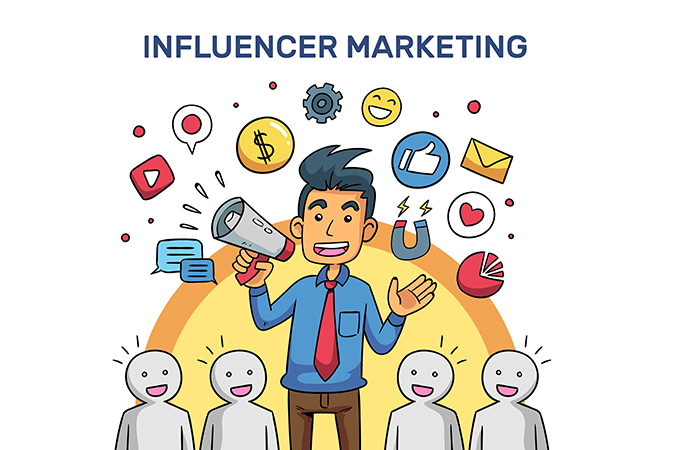
In today’s digital landscape, traditional advertising methods are losing their grip on consumer attention. People scroll past banner ads, skip commercials, and install ad blockers with increasing frequency. Yet there’s one marketing strategy that continues to thrive and evolve: influencer marketing. This powerful approach has transformed how brands connect with their audiences, creating authentic relationships that drive real business results.

Understanding the Foundation of Influencer Marketing

Influencer marketing represents a fundamental shift in how brands communicate with potential customers. Rather than broadcasting messages directly to consumers, companies partner with individuals who have built trust and credibility within specific communities. These content creators, known as influencers, leverage their established relationships to introduce products and services in ways that feel organic and genuine.

The effectiveness of this strategy stems from a simple psychological principle: people trust recommendations from those they admire and relate to more than they trust corporate advertising. When an influencer shares their experience with a product, their followers perceive it as advice from a friend rather than a sales pitch from a faceless corporation.

Influencer Marketing

The Evolution of Modern Marketing Through Influencers

The journey of influencer marketing began with celebrity endorsements, but it has evolved into something far more nuanced and accessible. Today’s landscape includes creators at every level, from mega-influencers with millions of followers to nano-influencers who engage deeply with small, highly targeted communities. This democratization has opened doors for businesses of all sizes to participate in campaigns that were once reserved for brands with massive advertising budgets.

Social media platforms have become the primary stage for these partnerships. Instagram, TikTok, YouTube, and emerging platforms provide the infrastructure where influencers create content, engage audiences, and drive consumer behavior. Each platform offers unique advantages, allowing brands to tailor their approach based on where their target audience spends time.

Why Businesses Are Investing Heavily in This Strategy

Companies are redirecting significant portions of their marketing budgets toward influencer marketing for compelling reasons. The return on investment often exceeds traditional advertising channels, with studies showing that businesses earn substantial returns for every dollar spent on influencer partnerships. Beyond immediate sales, these collaborations build brand awareness, enhance credibility, and create lasting impressions in consumers’ minds.

The targeting precision available through influencer partnerships cannot be overstated. Instead of casting a wide net and hoping to reach the right people, brands can partner with creators whose audiences perfectly match their ideal customer profiles. A fitness supplement company can work with health and wellness influencers, while a gaming peripheral manufacturer can collaborate with esports streamers, ensuring their message reaches genuinely interested potential buyers.

Types of Influencers and Their Unique Advantages

Understanding the different tiers of influencers helps brands make strategic partnership decisions. Mega-influencers, typically celebrities or internet personalities with over a million followers, offer massive reach and broad visibility. Their influence spans demographics and can create viral moments that dominate social conversations.

Macro-influencers, with follower counts between 100,000 and one million, strike a balance between reach and relatability. They’ve built substantial audiences while maintaining more personal connections than their mega counterparts. Many maintain specific niches, making them valuable partners for targeted campaigns.

Micro-influencers represent the sweet spot for many brands. With 10,000 to 100,000 followers, these creators enjoy high engagement rates and deep audience trust. Their recommendations carry weight because followers view them as accessible peers who genuinely use and believe in the products they promote.

Nano-influencers, despite having fewer than 10,000 followers, shouldn’t be overlooked. These creators often serve hyperlocal communities or extremely specific interest groups. Their audiences are highly engaged, and their authentic voices can drive significant impact for brands willing to work with multiple partners simultaneously.

Crafting an Effective Campaign Strategy

Success in influencer marketing requires more than simply finding popular creators and asking them to post about your product. The most effective campaigns begin with clear objectives. Are you launching a new product and need awareness? Building credibility in a new market? Driving direct sales during a specific period? Your goals should inform every subsequent decision.

Identifying the right partners demands research and strategic thinking. Beyond follower counts, examine engagement rates, audience demographics, content quality, and brand alignment. An influencer might have millions of followers, but if their audience doesn’t match your target market or their values conflict with your brand identity, the partnership will likely disappoint.

Successful collaborations give influencers creative freedom while maintaining brand guidelines. These creators understand their audiences better than anyone else. They know what resonates, what feels authentic, and what will drive engagement. Overly scripted content or rigid requirements often result in posts that feel forced and perform poorly.

Building Authentic Partnerships That Deliver Results

The foundation of effective influencer marketing rests on authenticity. Modern consumers possess finely tuned radar for inauthentic endorsements. They can instantly distinguish between genuine recommendations and purely transactional promotions. Brands must prioritize long-term relationships over one-off posts, allowing influencers to integrate products naturally into their content over time.

Compensation structures vary widely in the industry. Some partnerships involve direct payment, while others provide free products, affiliate commissions, or combination arrangements. The key is ensuring fair compensation that reflects the value the influencer brings while aligning incentives so both parties benefit from campaign success.

Transparency has become non-negotiable in modern influencer marketing. Regulatory bodies worldwide require clear disclosure of paid partnerships. Beyond legal compliance, transparency builds trust with audiences who appreciate honesty about commercial relationships. Phrases like “sponsored,” “ad,” or “paid partnership” must be prominently displayed.

Measuring Success and Optimizing Performance

Effective measurement separates successful programs from wasted investments. The metrics that matter depend on campaign objectives. Awareness campaigns focus on reach and impressions, while conversion-focused efforts track clicks, purchases, and return on ad spend. Engagement metrics like comments, shares, and saves indicate how well content resonates with audiences.

Many brands employ specialized tracking methods to attribute sales directly to influencer partnerships. Unique discount codes, custom landing pages, and affiliate links provide concrete data on how many customers each partnership generates. This attribution allows for data-driven decisions about which influencers deliver the best results and deserve continued investment.

The insights gained from one campaign should inform the next. Notice which types of content perform best, which influencers drive the most engagement, and which platforms deliver superior results. This continuous improvement approach ensures your influencer marketing strategy becomes more effective over time.

Navigating Challenges and Avoiding Common Pitfalls

Despite its potential, influencer marketing presents challenges that brands must navigate carefully. Fake followers and engagement remain persistent problems in the industry. Some creators inflate their apparent influence through purchased followers and bot-generated engagement. Sophisticated vetting processes, including third-party analytics tools, help identify authentic influencers with genuine reach.

Brand safety concerns require vigilance. An influencer’s past content, personal behavior, or future actions can reflect on your brand. Thorough background research and ongoing monitoring help prevent associations with creators whose actions might damage your reputation. Clear contracts should include clauses addressing potential issues.

The influencer landscape changes rapidly as platforms evolve, algorithm shifts occur, and audience preferences develop. What worked brilliantly last year might fall flat today. Staying informed about industry trends, platform updates, and emerging creators ensures your approach remains current and effective.

The Future Landscape of Digital Influence

The trajectory of influencer marketing points toward increasing sophistication and integration with broader marketing strategies. Artificial intelligence tools are emerging to help brands identify ideal partners, predict campaign performance, and optimize content strategies. These technologies enhance human decision-making rather than replacing the relationship-building that remains central to success.

Video content continues its dominance, with short-form video particularly powerful for capturing attention and driving engagement. Platforms like TikTok have demonstrated how quickly video content can go viral, and successful influencers are those who master video storytelling. Brands must adapt their approaches to support video-first content creation.

The line between influencer marketing and other digital strategies continues to blur. Many brands are building their own communities and cultivating brand ambassadors from their customer base. User-generated content campaigns encourage regular customers to create content, effectively turning loyal users into micro-influencers who spread authentic messages.

Implementing Your Strategy for Maximum Impact

Starting your influencer marketing journey begins with understanding your brand’s unique position and objectives. Small businesses might start with a few nano or micro-influencer partnerships to test the waters, while larger companies might launch comprehensive campaigns spanning multiple tiers of creators.

Budget allocation should reflect both your financial resources and your goals. While mega-influencer partnerships command premium prices, many successful campaigns achieve excellent results through multiple collaborations with smaller creators whose combined reach and engagement deliver substantial value.

Documentation and professionalism matter throughout the partnership process. Clear contracts, defined deliverables, agreed timelines, and transparent communication prevent misunderstandings and ensure both parties meet their obligations. Many brands maintain dedicated influencer relationship managers to nurture these important partnerships.

Conclusion: Embracing the Power of Authentic Connection

The rise of influencer marketing reflects a broader shift toward authentic, relationship-based communication in the digital age. As consumers become increasingly skeptical of traditional advertising, the trusted voices of influencers provide bridges between brands and audiences. Companies that embrace this approach, invest in genuine partnerships, and commit to delivering value through influencer collaborations position themselves for success in the evolving digital marketplace.

The most successful brands view influencer marketing not as a temporary tactic but as a core component of their overall marketing strategy. By building authentic relationships, respecting creative freedom, measuring results diligently, and adapting to changing landscapes, businesses can harness the power of influence to achieve their goals and build lasting connections with their target audiences. The future belongs to brands that understand the value of these human connections in an increasingly digital world.

Follow us : Social media http://facebook.com

Read more : https://digisweksha.com/

demo-attachment-1234-watermelon-balloon-on-blue-background-creative-57PNH8Q

Affiliate Marketing

The Complete Guide to Affiliate Marketing: Building Your Online Income Stream

In today’s digital economy, entrepreneurs and content creators are constantly searching for sustainable ways to generate income online. Among the various monetization strategies available, affiliate marketing stands out as one of the most accessible and profitable methods for building a passive income stream. Whether you’re a blogger, social media influencer, or website owner, understanding how to leverage this powerful business model can transform your online presence into a revenue-generating asset.

What Is Affiliate Marketing?

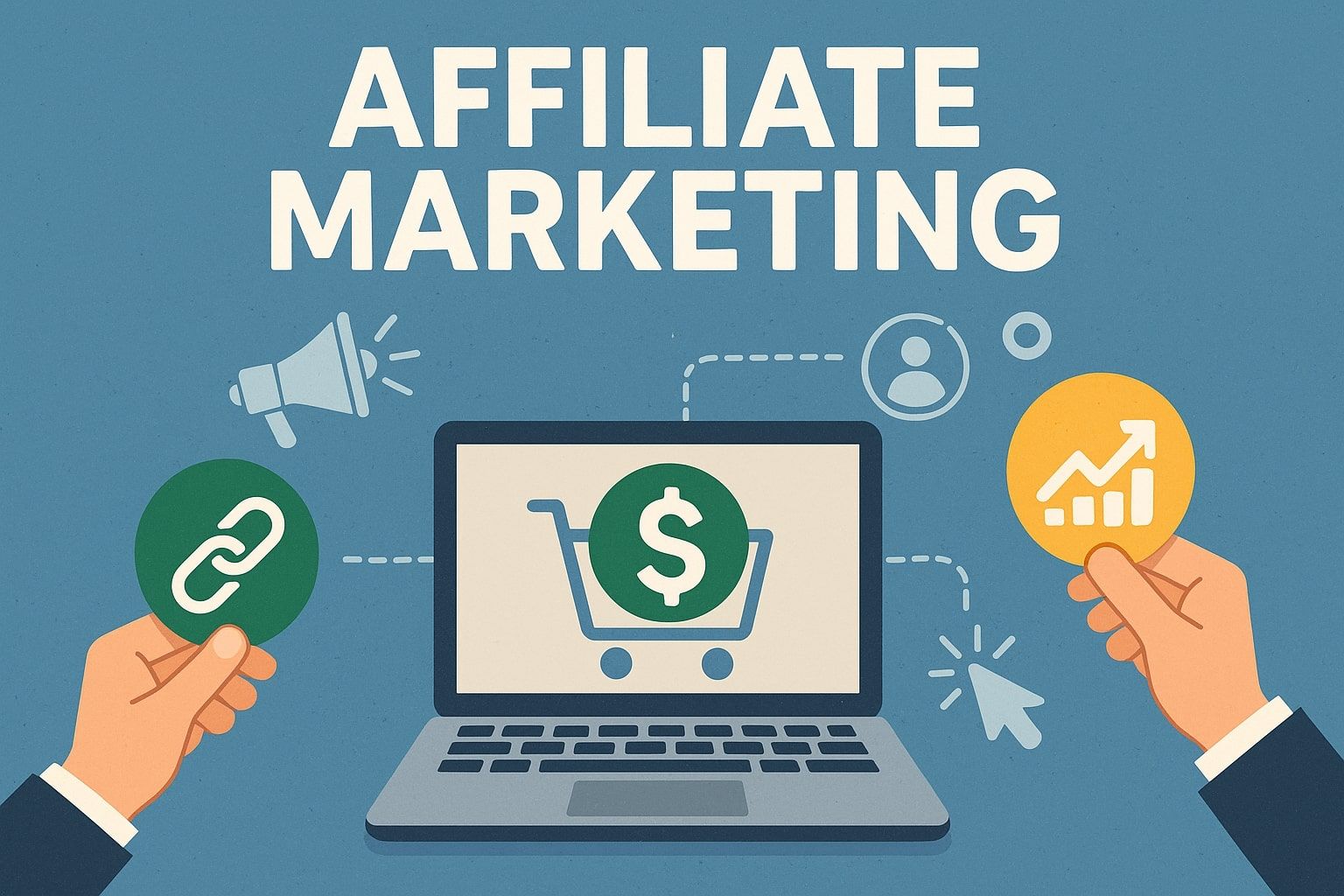
At its core, affiliate marketing is a performance-based business model where you earn commissions by promoting other companies’ products or services. When someone makes a purchase through your unique affiliate link, you receive a percentage of the sale. This arrangement creates a win-win situation: businesses gain customers through your marketing efforts, and you earn money without creating your own products.

The beauty of this model lies in its simplicity. You don’t need to handle inventory, manage customer service, or deal with product fulfillment. Your primary responsibility is to connect the right products with the right audience through compelling content and strategic promotion.

Affiliate Marketing: Definition, Examples & How to Start

The Evolution of Affiliate Marketing

The landscape of affiliate marketing has evolved dramatically since its inception in the late 1990s. What began as simple banner ads and basic referral programs has transformed into a sophisticated ecosystem worth billions of dollars annually. Today’s affiliate marketers utilize advanced tracking technologies, data analytics, and multi-channel strategies to maximize their earning potential.

Modern platforms have made it easier than ever to start your journey in this field. From Amazon Associates to specialized niche programs, there are countless opportunities to monetize your online presence regardless of your audience size or content focus.

Why Choose Affiliate Marketing as Your Business Model?

Starting an affiliate marketing business offers numerous advantages over traditional entrepreneurship. The low barrier to entry means you can begin with minimal investment—often just a website or social media presence and quality content. Unlike e-commerce businesses that require significant upfront capital for inventory, you can start promoting products immediately.

The flexibility of this business model allows you to work from anywhere with an internet connection. Whether you’re a stay-at-home parent, digital nomad, or full-time employee looking for a side hustle, affiliate marketing adapts to your schedule and lifestyle. You have complete control over which products you promote, how you market them, and when you work on your business.

Scalability represents another major advantage. As your audience grows and you refine your strategies, your income potential increases without proportional increases in workload. Many successful affiliate marketers eventually generate substantial passive income from content they created months or even years ago.

Essential Components for Affiliate Marketing Success

Building a successful affiliate marketing business requires several foundational elements. Your platform serves as the home base for your promotional activities. This could be a blog, YouTube channel, podcast, Instagram account, or email newsletter. The key is choosing a platform that aligns with your strengths and where your target audience naturally congregates.

Content creation forms the backbone of effective promotion. Your content should provide genuine value to your audience while naturally incorporating product recommendations. Whether you’re writing detailed product reviews, creating comparison guides, or producing tutorial videos, your content must be informative, engaging, and trustworthy.

Understanding your niche is crucial for affiliate marketing success. Rather than trying to appeal to everyone, focus on a specific audience with particular interests and needs. This targeted approach allows you to become an authority in your chosen field and build a loyal following that trusts your recommendations.

Selecting the Right Affiliate Programs

Not all affiliate programs are created equal, and choosing the right ones can significantly impact your success. When evaluating potential programs, consider the commission structure, cookie duration, payment terms, and the company’s reputation. Some programs offer recurring commissions for subscription-based services, while others provide one-time payments for product sales.

The relevance of products to your audience should be your primary consideration. Promoting products that genuinely solve your audience’s problems or enhance their lives leads to higher conversion rates and maintains trust. Even high-commission products won’t convert well if they don’t align with your audience’s needs.

Popular affiliate marketing networks like ShareASale, CJ Affiliate, and ClickBank aggregate thousands of programs, making it easier to find suitable partnerships. These networks handle tracking, reporting, and payments, simplifying the administrative aspects of managing multiple affiliate relationships.

Building Your Affiliate Marketing Strategy

Developing a comprehensive strategy is essential for long-term success in affiliate marketing. Start by thoroughly researching your target audience—understand their pain points, desires, and purchasing behaviors. This knowledge informs your content creation and product selection decisions.

Your content strategy should balance promotional material with valuable, non-promotional content. The general rule suggests that roughly 80% of your content should educate, entertain, or inform your audience, while 20% can be more directly promotional. This approach prevents your platform from feeling like a constant sales pitch.

Search engine optimization plays a vital role in driving organic traffic to your affiliate marketing content. Conduct keyword research to identify search terms your target audience uses when looking for product information. Create comprehensive, well-optimized content that ranks well in search results and attracts qualified visitors likely to make purchases.

Creating High-Converting Content

The quality of your content directly influences your affiliate marketing success. Product reviews should be detailed, honest, and based on actual experience whenever possible. Discuss both advantages and limitations to maintain credibility. Your audience can sense when reviews are superficial or biased, which erodes trust.

Comparison articles and buying guides perform exceptionally well in driving affiliate sales. These resources help readers make informed decisions by presenting multiple options and explaining the differences between products. By providing this valuable service, you position yourself as a helpful advisor rather than a pushy salesperson.

Tutorial and how-to content naturally incorporates product recommendations within the context of solving specific problems. For example, a photography tutorial might recommend specific cameras, lenses, or editing software as part of the learning process. This contextual promotion feels organic and helpful rather than forced.

Leveraging Multiple Traffic Sources

Relying on a single traffic source creates vulnerability in your affiliate marketing business. Diversifying your traffic channels ensures steady visitor flow even if one source experiences changes or disruptions. Organic search traffic through SEO provides sustainable, long-term results and often converts well because visitors are actively searching for solutions.

Social media platforms offer opportunities to reach and engage with your audience in different ways. Each platform has unique characteristics—Instagram excels for visual products, Pinterest drives significant purchasing traffic, and YouTube works well for detailed product demonstrations. Choose platforms where your target audience actively engages and where your content format naturally fits.

Email marketing remains one of the most effective channels for affiliate marketing. Building an email list allows you to communicate directly with interested prospects, nurture relationships over time, and promote relevant offers to a receptive audience. Email subscribers are often more engaged and convert at higher rates than casual website visitors.

Understanding Analytics and Optimization

Successful affiliate marketing requires ongoing analysis and optimization. Track key metrics including click-through rates, conversion rates, and earnings per click to understand which strategies deliver the best results. Most affiliate programs provide detailed reporting tools, and supplementing these with Google Analytics gives you comprehensive insights into visitor behavior.

A/B testing different approaches helps refine your promotional tactics. Test various headline styles, call-to-action placements, content formats, and promotional angles to discover what resonates best with your audience. Small improvements in conversion rates can significantly impact overall earnings as your traffic scales.

Understanding seasonal trends and purchasing patterns in your niche allows you to capitalize on peak demand periods. Many niches experience predictable seasonal variations—fitness products surge in January, outdoor gear peaks in spring, and tech products see increased interest during holiday seasons. Plan your affiliate marketing content calendar accordingly to maximize these opportunities.

Legal and Ethical Considerations

Operating a legitimate affiliate marketing business requires compliance with legal regulations and ethical standards. The Federal Trade Commission mandates clear disclosure of affiliate relationships. You must inform your audience when content contains affiliate links, typically through disclosure statements or clear labels on promotional content.

Transparency builds trust with your audience. Many successful affiliate marketers find that honest disclosure actually enhances credibility rather than harming it. Audiences appreciate transparency and often support content creators they value by making purchases through their affiliate links.

Beyond legal requirements, ethical promotion practices ensure long-term success. Only recommend products you genuinely believe provide value. Promoting inferior products for high commissions may generate short-term income but damages your reputation and audience relationships. Your credibility is your most valuable asset in affiliate marketing.

Common Challenges and How to Overcome Them

Building a profitable affiliate marketing business takes time and persistence. Many beginners abandon their efforts prematurely, expecting overnight success. Setting realistic expectations helps maintain motivation during the initial growth phase when earnings may be minimal.

Creating consistently high-quality content while managing all other aspects of your business can become overwhelming. Developing systems and workflows helps maintain consistency. Many successful affiliate marketers batch their content creation, dedicating specific time blocks to writing, editing, or producing videos.

Competition exists in virtually every profitable niche. Rather than viewing this as a barrier, recognize that competition validates market demand. Differentiate yourself through unique perspectives, superior content quality, or specialized expertise. Your personal experience and voice make your affiliate marketing business unique.

Scaling Your Affiliate Marketing Business

Once you’ve established a foundation of consistent income, focus on scaling your efforts. Outsourcing certain tasks allows you to concentrate on high-value activities like strategy development and relationship building. Many successful affiliate marketers hire writers, editors, or virtual assistants to handle routine tasks.

Expanding into related niches or additional platforms diversifies your income streams and growth potential. If you’ve built authority in one area, your audience may trust your recommendations in complementary niches. This expansion strategy leverages your existing brand and audience relationships.

Advanced affiliate marketing strategies include creating your own products to sell alongside affiliate offers, building membership communities, or developing software tools that serve your niche. These approaches typically generate higher profit margins while complementing your affiliate income.

The Future of Affiliate Marketing

The affiliate marketing industry continues evolving with technological advances and changing consumer behaviors. Artificial intelligence and machine learning increasingly influence how products are recommended and promoted. Voice search and smart speakers create new opportunities for content optimization and product discovery.

Video content consumption continues rising, making platforms like YouTube and TikTok increasingly important for affiliate promotion. Short-form video content, live streaming, and interactive content formats offer fresh ways to engage audiences and demonstrate products.

Despite these changes, fundamental principles remain constant: provide genuine value, build trust with your audience, and recommend products that truly benefit them. Those who master these fundamentals while adapting to new technologies and platforms will continue thriving in affiliate marketing for years to come.

Taking Your First Steps

Starting your affiliate marketing journey begins with choosing your niche and platform. Research potential niches by examining your own interests, expertise, and the commercial viability of different markets. The ideal niche combines your passion with sufficient audience size and product availability.

Create your platform and begin producing valuable content before even joining affiliate programs. Building an audience foundation first ensures you have people to promote to when you start incorporating affiliate links. Focus on solving problems and providing value—the monetization naturally follows.

Your success in affiliate marketing ultimately depends on your commitment to serving your audience authentically while continuously learning and adapting. With dedication, strategic thinking, and genuine desire to help others, you can build a sustainable online income stream through this powerful business model.

Folloe us : social mediahttp://facebook.com

Read more : https://digisweksha.com/

demo-attachment-1232-working-meeting-of-car-dealers-SYZR3GH

Content Marketing

Content Marketing: The Ultimate Guide to Building Your Brand in 2025

In today’s digital landscape, businesses face an unprecedented challenge: capturing and maintaining audience attention in an oversaturated marketplace. Traditional advertising methods are losing their effectiveness as consumers become increasingly skeptical of promotional messages. This is where content marketing emerges as a game-changing strategy that transforms how brands connect with their audiences.

Understanding Content Marketing

Content marketing is a strategic approach focused on creating and distributing valuable, relevant, and consistent content to attract and retain a clearly defined audience. Unlike traditional advertising that interrupts potential customers with promotional messages, this methodology provides genuine value that naturally draws people toward your brand.

The essence of content marketing lies in building trust and establishing authority within your industry. When executed effectively, it positions your business as a thought leader while simultaneously addressing the pain points and questions your target audience faces daily.

Content Marketing

Why Content Marketing Matters Now More Than Ever

The digital revolution has fundamentally altered consumer behavior. Today’s buyers conduct extensive research before making purchasing decisions, often consuming multiple pieces of content across various platforms. They seek authenticity, expertise, and solutions to their problems rather than aggressive sales pitches.

Content marketing meets this demand by providing educational resources, entertainment, and insights that resonate with your audience’s needs. This approach creates a reciprocal relationship where consumers receive value first, making them more receptive to your brand message when they’re ready to make a purchase.

Research consistently demonstrates that businesses implementing robust content marketing strategies experience higher engagement rates, improved brand loyalty, and better conversion metrics compared to those relying solely on traditional advertising methods.

Core Components of Effective Content Marketing

Strategic Planning and Goal Setting

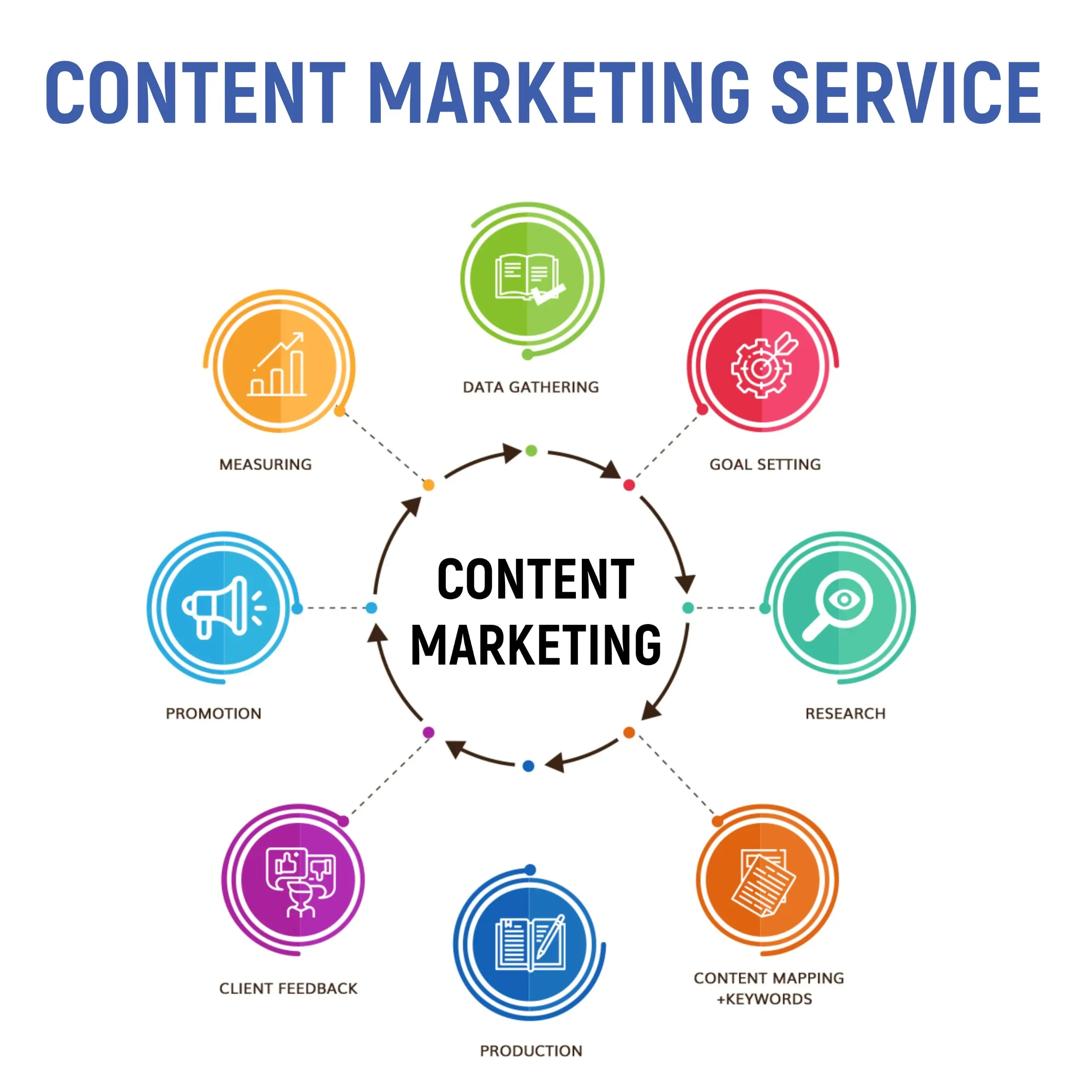
Success in content marketing begins with comprehensive strategic planning. Define clear, measurable objectives aligned with your overall business goals. Are you aiming to increase brand awareness, generate qualified leads, boost customer retention, or establish thought leadership?

Your strategy should include detailed audience personas that encompass demographic information, behavioral patterns, pain points, and content consumption preferences. Understanding your audience at this granular level enables you to create content that truly resonates.

Content Creation Excellence

The foundation of any content marketing initiative is high-quality content creation. This encompasses various formats including blog posts, videos, podcasts, infographics, case studies, whitepapers, and social media posts. Each format serves different purposes and appeals to various audience segments.

Quality trumps quantity in modern content marketing. A single comprehensive, well-researched article provides more value than multiple superficial posts. Your content should demonstrate expertise, offer actionable insights, and present information in an engaging, accessible manner.

Distribution and Promotion

Creating exceptional content represents only half the equation. Effective distribution ensures your content reaches the right audience at optimal times. This involves leveraging multiple channels including your website, email newsletters, social media platforms, guest posting opportunities, and content syndication networks.

Content marketing distribution requires understanding where your audience spends their time online and tailoring your approach accordingly. LinkedIn might be ideal for B2B audiences, while Instagram and TikTok could better serve consumer-focused brands targeting younger demographics.

Measurement and Optimization

Data-driven decision making separates successful content marketing programs from mediocre ones. Establish key performance indicators (KPIs) that align with your objectives, whether that’s website traffic, engagement metrics, lead generation, or conversion rates.

Regularly analyze performance data to identify patterns, understand what resonates with your audience, and refine your approach. This iterative process of testing, learning, and optimizing ensures continuous improvement in your content marketing efforts.

Building a Content Marketing Framework

Conducting Comprehensive Audience Research

Deep audience understanding forms the bedrock of effective content marketing. Go beyond basic demographics to explore psychographic factors including values, interests, challenges, and aspirations. Conduct surveys, interviews, and social listening exercises to gather insights directly from your target market.

Analyze search queries related to your industry to understand what information people actively seek. This research reveals content opportunities and helps you address actual audience needs rather than assumptions.

Developing a Content Calendar

Consistency is crucial in content marketing. A well-structured content calendar provides a roadmap for your publishing schedule, ensuring regular content delivery while maintaining strategic alignment. Your calendar should account for seasonal trends, industry events, product launches, and promotional campaigns.

Plan diverse content types and topics to maintain audience interest while addressing different stages of the buyer’s journey. Mix educational content for awareness-stage prospects with comparison guides for consideration-stage leads and case studies for decision-ready buyers.

Creating Compelling Content Assets

Excellence in content marketing demands attention to both substance and style. Every piece should provide genuine value while being crafted in an engaging, readable format. Use storytelling techniques to make your content memorable and relatable.

Incorporate multimedia elements like images, videos, and interactive components to enhance engagement. Break up text with descriptive subheadings, bullet points, and white space to improve readability and user experience.

Leveraging SEO Best Practices

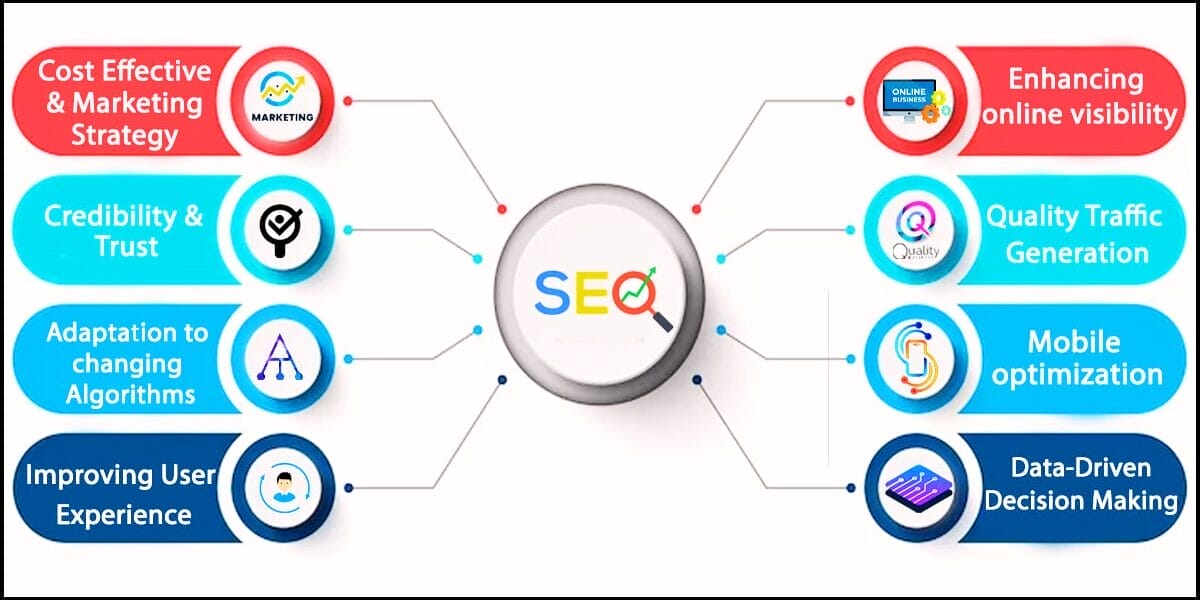
Search engine optimization amplifies your content marketing reach by improving organic visibility. Conduct keyword research to identify terms your audience uses when seeking information related to your expertise. Naturally incorporate these keywords while prioritizing content quality and readability.

Optimize technical elements including meta descriptions, title tags, header structure, and internal linking. Build authoritative backlinks through guest posting, digital PR, and creating link-worthy content that others naturally want to reference.

Content Marketing Across Different Channels

Blog Content Strategy

Blogging remains a cornerstone of content marketing strategies. A regularly updated blog establishes your expertise, improves search visibility, and provides shareable content for social media. Focus on creating comprehensive guides, industry insights, how-to articles, and thought leadership pieces.

Long-form content typically performs better for content marketing purposes, as it allows thorough exploration of topics while naturally incorporating relevant keywords and providing substantial value to readers.

Video Content Excellence

Video has become an essential content marketing format, with consumption rates continuing to rise across all demographics. Create educational tutorials, product demonstrations, behind-the-scenes content, customer testimonials, and thought leadership interviews.

Optimize videos for different platforms, understanding that YouTube requires different approaches than Instagram Reels or LinkedIn video posts. Include captions for accessibility and to capture attention in sound-off environments.

Social Media Content

Social media platforms serve as both distribution channels and content creation spaces within your content marketing ecosystem. Develop platform-specific strategies that align with each network’s unique culture and user expectations.

Share a mix of original content, curated industry news, user-generated content, and interactive posts that encourage audience participation. Consistency and authenticity drive social media content marketing success.

Email Marketing Integration

Email remains one of the highest-ROI channels in content marketing. Segment your email list based on behavior, interests, and customer journey stage to deliver personalized content experiences. Use email to distribute your best content while nurturing relationships with subscribers.

Craft compelling subject lines, provide clear value propositions, and include strong calls-to-action that guide readers toward desired next steps in their journey with your brand.

Overcoming Content Marketing Challenges

Maintaining Consistency

One of the biggest obstacles in content marketing is sustaining consistent output over time. Combat this challenge by batch-creating content during high-productivity periods, repurposing existing content into new formats, and building a content library you can draw from during busy periods.

Consider outsourcing certain aspects or building a content team to distribute the workload and maintain publishing momentum.

Standing Out in Saturated Markets

As content marketing adoption increases, cutting through the noise becomes more challenging. Differentiate your content through unique perspectives, original research, compelling storytelling, and exceptional production quality.

Find underserved niches within your industry where you can establish authority before expanding into more competitive topics.

Demonstrating ROI

Proving content marketing value to stakeholders requires clear metrics and attribution models. Connect content performance to business outcomes by tracking the complete customer journey from first content interaction to conversion.

Use marketing automation and analytics tools to demonstrate how content contributes to lead generation, nurturing, and customer acquisition.

The Future of Content Marketing

Content marketing continues evolving with technological advancement and changing consumer preferences. Artificial intelligence and machine learning are transforming content creation, personalization, and distribution processes. However, the human elements of creativity, strategic thinking, and authentic connection remain irreplaceable.

Interactive content experiences, voice search optimization, and highly personalized content journeys represent emerging trends in content marketing. Brands that adapt to these innovations while maintaining core principles of value creation and audience focus will thrive.

Conclusion

Mastering content marketing requires commitment, strategic thinking, and continuous learning. It’s not a quick fix or one-time campaign but rather a long-term investment in building meaningful relationships with your audience. By consistently delivering valuable content that addresses real needs and demonstrates genuine expertise, you establish trust that translates into sustainable business growth.

The businesses that excel in content marketing understand that success comes from putting audience needs first, maintaining authenticity, and adapting strategies based on performance data and evolving market conditions. Whether you’re just beginning your content journey or refining an established program, these principles provide a foundation for creating content that truly resonates and drives results.

Start where you are, focus on quality over quantity, and remember that every piece of content represents an opportunity to strengthen your brand’s position in the marketplace. The investment you make in content marketing today builds the audience relationships and brand authority that fuel tomorrow’s success.

Follow us : social media http://facebook.om

Read more : https://digisweksha.com/

demo-attachment-1230-people-working-in-office-P3DBYE3

Social Media Marketing

The Complete Guide to Social Media Marketing in 2025

In today’s digital landscape, businesses cannot afford to ignore the power of online presence. Social media marketing has transformed from a nice-to-have into an essential component of any successful business strategy. Whether you’re a startup founder, small business owner, or marketing professional, understanding how to leverage social platforms effectively can mean the difference between obscurity and explosive growth.

Understanding Social Media Marketing

Social media marketing refers to the practice of using social media platforms to connect with your audience, build your brand, increase sales, and drive website traffic. This involves publishing compelling content on your social media profiles, listening to and engaging with your followers, analyzing your results, and running targeted social media advertisements.

The major social media platforms include Facebook, Instagram, Twitter (X), LinkedIn, Pinterest, YouTube, TikTok, and Snapchat. Each platform has its own unique audience demographics, content formats, and best practices that marketers must understand to succeed.

Why Social Media Marketing Matters

The statistics speak for themselves. With over 4.9 billion social media users worldwide, these platforms have become the primary way people discover brands, research products, and make purchasing decisions. Social media marketing offers several compelling advantages:

Increased Brand Awareness: Social platforms allow you to reach massive audiences and increase visibility for your brand. Every post, share, and comment extends your reach to new potential customers.

Cost-Effective Marketing: Compared to traditional advertising channels, social media marketing is remarkably affordable. Creating an account is free, and paid advertising options are available at virtually any budget level.

Improved Customer Engagement: Social media enables two-way conversations with your audience. You can respond to questions, address concerns, and build genuine relationships with customers in real-time.

Enhanced Customer Insights: Social platforms provide valuable data about your audience’s demographics, interests, and behaviors. This information helps you refine your marketing strategies and create more targeted campaigns.

Higher Conversion Rates: The humanization of your brand through social media creates trust and loyalty, leading to higher conversion rates. People prefer to buy from brands they feel connected to.

Social Media Marketing

Developing Your Social Media Marketing Strategy

Success in social media marketing doesn’t happen by accident. It requires a well-thought-out strategy aligned with your business goals. Here’s how to build one:

Define Your Goals

Start by identifying what you want to achieve through social media marketing. Common goals include increasing brand awareness, generating leads, boosting website traffic, growing community engagement, and improving customer service. Make sure your goals are SPECIFIC, MEASURABLE, ACHIEVABLE, RELEVANT, and TIME-BOUND (SMART).

Know Your Audience

Understanding your target audience is crucial for effective social media marketing. Create detailed buyer personas that include demographic information, interests, pain points, and social media habits. Research which platforms your audience uses most frequently and what type of content they engage with.

Choose the Right Platforms

You don’t need to be on every social media platform. Focus your efforts on the channels where your target audience spends their time. B2B companies often find success on LinkedIn, while visual brands thrive on Instagram and Pinterest. TikTok has exploded in popularity for reaching younger demographics.

Create Compelling Content

Content is the foundation of social media marketing. Develop a content strategy that balances promotional posts with valuable, entertaining, and educational content. The 80/20 rule suggests that 80% of your content should inform, educate, or entertain, while only 20% should directly promote your products or services.

Mix up your content formats to keep your audience engaged. Use images, videos, stories, reels, live streams, polls, and user-generated content. Video content particularly drives higher engagement rates across all platforms.

Establish Your Brand Voice

Your brand voice should be consistent across all platforms while adapting to each platform’s unique culture. Whether your tone is professional, casual, humorous, or inspirational, maintain consistency so your audience recognizes your brand immediately.

Platform-Specific Social Media Marketing Strategies

Each social platform has its own best practices and audience expectations. Let’s explore how to optimize your social media marketing efforts on major platforms:

Facebook Marketing

With nearly 3 billion monthly active users, Facebook remains a powerhouse for social media marketing. The platform works well for building communities through Facebook Groups, sharing long-form content, and running highly targeted advertising campaigns. Facebook’s robust advertising platform allows precise audience targeting based on demographics, interests, and behaviors.

Post regularly but prioritize quality over quantity. Use Facebook Insights to understand when your audience is most active. Engage with comments promptly and encourage conversations. Facebook Live videos generate six times more engagement than regular videos.

Instagram Marketing

Instagram is ideal for visual storytelling and reaching younger audiences. This platform excels at showcasing products, building brand aesthetics, and leveraging influencer partnerships. Instagram Stories and Reels offer creative ways to share behind-the-scenes content and trending topics.

Use relevant hashtags strategically to increase discoverability. Partner with influencers whose followers align with your target audience. Instagram Shopping features make it easy for users to purchase products directly from your posts.

LinkedIn Marketing

For B2B social media marketing, LinkedIn is unmatched. This professional networking platform helps establish thought leadership, generate quality leads, and recruit talent. Share industry insights, company updates, and professional content that adds value to your network.

Encourage employees to share company content to expand your reach. Publish long-form articles directly on LinkedIn to demonstrate expertise. LinkedIn’s advertising options excel at targeting decision-makers by job title, industry, and company size.

Twitter (X) Marketing

Twitter facilitates real-time conversations and helps brands stay relevant through trending topics. This fast-paced platform works well for customer service, news sharing, and engaging in industry conversations. Keep tweets concise and impactful.

Use Twitter Lists to organize and monitor important accounts. Engage authentically by replying to mentions, retweeting relevant content, and participating in Twitter chats. Timing matters significantly on Twitter, so schedule posts when your audience is most active.

TikTok Marketing

TikTok has revolutionized social media marketing for brands willing to embrace creativity and authenticity. This platform favors entertaining, authentic content over polished advertisements. Jump on trending sounds and challenges while adding your unique brand spin.

TikTok’s algorithm favors content quality over follower count, giving new brands opportunities for viral reach. Partner with TikTok creators who align with your brand values. Behind-the-scenes content and educational videos perform particularly well.

Content Creation Best Practices

Creating engaging content is at the heart of successful social media marketing. Follow these best practices:

Use High-Quality Visuals: Posts with images receive significantly more engagement than text-only posts. Invest in good photography or use professional stock images. Maintain visual consistency with your brand colors and style.

Write Compelling Captions: Your captions should grab attention, provide value, and include clear calls-to-action. Ask questions to encourage comments. Tell stories that create emotional connections with your audience.

Optimize for Each Platform: Customize your content for each platform’s specifications and audience expectations. What works on LinkedIn might not resonate on TikTok.

Include Calls-to-Action: Every post should have a purpose. Tell your audience exactly what you want them to do—visit your website, sign up for your newsletter, share the post, or leave a comment.

Post Consistently: Develop a consistent posting schedule to stay top-of-mind with your audience. Use scheduling tools to plan content in advance and maintain regular posting even during busy periods.

Leveraging Social Media Advertising

Organic reach on social media has declined significantly, making paid advertising an essential component of social media marketing. Social media ads offer unparalleled targeting capabilities and measurable results.

Start with clear campaign objectives—awareness, consideration, or conversion. Define your target audience using the detailed targeting options available on each platform. Create multiple ad variations to test different images, copy, and calls-to-action.

Set realistic budgets and monitor performance closely. Most platforms use auction-based systems where you bid for ad placement. Start with smaller budgets to test performance before scaling successful campaigns.

Retargeting campaigns can be particularly effective in social media marketing. These ads target people who have already interacted with your brand, whether by visiting your website, engaging with your content, or abandoning their shopping cart.

Measuring Social Media Marketing Success

You can’t improve what you don’t measure. Track these key metrics to evaluate your social media marketing performance:

Reach and Impressions: How many people see your content? Reach measures unique viewers while impressions count total views.

Engagement Rate: Calculate engagement (likes, comments, shares) divided by reach. This indicates how well your content resonates with your audience.

Click-Through Rate (CTR): The percentage of people who click your links. Higher CTRs indicate compelling content and effective calls-to-action.

Conversion Rate: The percentage of social media visitors who complete desired actions like making purchases or filling out forms.

Return on Investment (ROI): Compare the revenue generated from social media marketing against your costs to determine profitability.

Use platform analytics tools along with Google Analytics to track performance comprehensively. Set up conversion tracking to attribute sales and leads to specific social media campaigns.

Building Community Through Social Media Marketing

The most successful brands use social media marketing to build genuine communities rather than just broadcast messages. Foster community by encouraging user-generated content, responding promptly to comments and messages, and creating opportunities for your audience to connect with each other.

Host contests and giveaways that incentivize sharing and engagement. Create branded hashtags that customers can use when posting about your products. Feature customer photos and testimonials on your social profiles to make followers feel valued.

Social media groups and communities offer particularly strong opportunities for building loyalty. Whether through Facebook Groups, LinkedIn Groups, or Discord servers, these spaces allow your audience to connect around shared interests related to your brand.

Staying Current with Social Media Trends

Social media marketing evolves rapidly. Platforms introduce new features regularly, algorithm changes affect content visibility, and user preferences shift constantly. Stay informed by following industry blogs, attending webinars, and experimenting with new features early.

Current trends shaping social media marketing include the dominance of short-form video content, the rise of social commerce, increased emphasis on authenticity and transparency, the growing importance of social listening, and the integration of artificial intelligence for personalization.

Conclusion

Social media marketing has become indispensable for businesses of all sizes. By developing a strategic approach, creating valuable content, engaging authentically with your audience, and continuously measuring and optimizing your efforts, you can harness the power of social platforms to achieve your business objectives.

Remember that successful social media marketing takes time, patience, and persistence. Focus on building genuine relationships rather than chasing vanity metrics. Stay true to your brand values while remaining flexible enough to adapt to platform changes and emerging trends.

The brands that win at social media marketing are those that view it not as a megaphone for broadcasting sales messages, but as a channel for creating meaningful connections, providing value, and building communities around shared interests and values. Start implementing these strategies today, and watch your social media presence transform into a powerful driver of business growth.

Follow us: social media http://facebook.com

read more : https://digisweksha.com/

demo-attachment-2226-co-workers-working-together-PRZ8DTV@2x-min

Digital marketing and SEO tips for website

Digital Marketing and SEO Tips for Website: Your Complete Guide to Online Success

In today’s competitive online landscape, understanding digital marketing and SEO tips for website optimization has become crucial for businesses of all sizes. Whether you’re launching a new website or looking to improve your existing online presence, mastering these strategies can significantly impact your visibility, traffic, and ultimately, your bottom line.

Understanding the Foundation of Digital Marketing and SEO

Before diving into specific tactics, it’s essential to understand what digital marketing and SEO tips for website success actually entail. Search Engine Optimization (SEO) forms the backbone of your online visibility strategy, while digital marketing encompasses a broader range of tactics including content marketing, social media, email campaigns, and paid advertising. When these elements work together harmoniously, they create a powerful engine for growth.

The digital landscape has evolved dramatically over the past few years. Search engines have become smarter, user behavior has shifted toward mobile devices, and competition for attention has intensified. This makes it more important than ever to implement proven digital marketing and SEO tips for website performance that align with current best practices.

Digital marketing and SEO tips for website

Keyword Research: The Starting Point

Every successful SEO strategy begins with thorough keyword research. This process involves identifying the terms and phrases your target audience uses when searching for products, services, or information related to your business. Tools like Google Keyword Planner, SEMrush, Ahrefs, and Ubersuggest can help you discover valuable keywords with good search volume and manageable competition.

When conducting keyword research, focus on understanding search intent. Are users looking for information, trying to make a purchase, or seeking a specific website? This insight helps you create content that matches what searchers actually want. Long-tail keywords, which are longer and more specific phrases, often convert better because they target users who know exactly what they’re looking for.

On-Page SEO Optimization

On-page SEO refers to all the elements you can control directly on your website. These digital marketing and SEO tips for website optimization start with your page titles and meta descriptions. Your title tag should be compelling, include your target keyword, and stay under 60 characters to avoid truncation in search results. Meta descriptions, while not a direct ranking factor, influence click-through rates and should be written persuasively within 155-160 characters.

Header tags (H1, H2, H3, etc.) structure your content and help search engines understand your page hierarchy. Your H1 should include your primary keyword and clearly indicate what the page is about. Subheadings should organize your content logically and include related keywords naturally.

URL structure matters more than many people realize. Clean, descriptive URLs that include relevant keywords perform better than complex strings of numbers and parameters. For example, “yoursite.com/digital-marketing-tips” is far superior to “yoursite.com/page?id=12345”.

Image optimization is another critical component. Use descriptive file names before uploading images, add alt text that describes the image while incorporating keywords naturally, and compress images to improve page load speed without sacrificing quality.

Content Quality and Strategy

Content remains king in the world of SEO. Creating high-quality, valuable content is one of the most important digital marketing and SEO tips for website success you’ll ever implement. Your content should address user questions, solve problems, and provide genuine value. Search engines have become remarkably sophisticated at identifying thin, low-quality content, so focus on depth and usefulness.

Develop a content calendar that ensures consistent publishing. Regular updates signal to search engines that your site is active and relevant. Mix different content types including blog posts, guides, infographics, videos, and case studies to appeal to different learning styles and preferences.

Content length matters, but only if the length is justified by the value provided. Comprehensive guides that thoroughly cover a topic tend to perform well, but don’t pad your content unnecessarily. Every paragraph should serve a purpose and move the reader closer to understanding or taking action.

Technical SEO Fundamentals

Technical SEO ensures that search engines can crawl, index, and understand your website effectively. Site speed is a crucial ranking factor and user experience element. Use tools like Google PageSpeed Insights to identify performance issues, then optimize by compressing images, leveraging browser caching, minimizing CSS and JavaScript, and considering a content delivery network (CDN).

Mobile optimization is no longer optional. With mobile-first indexing, Google primarily uses the mobile version of your site for ranking and indexing. Ensure your website is fully responsive, loads quickly on mobile devices, and provides an excellent user experience regardless of screen size.

Implement structured data markup (schema) to help search engines understand your content better and potentially earn rich snippets in search results. These enhanced listings can significantly improve click-through rates by displaying additional information like ratings, prices, or event details directly in search results.

Create and submit an XML sitemap to help search engines discover and index your pages efficiently. Use a robots.txt file to guide search engine crawlers and prevent them from accessing pages you don’t want indexed.

Link Building Strategies

Backlinks remain one of the most powerful ranking signals. Quality links from authoritative, relevant websites tell search engines that your content is trustworthy and valuable. Among the most effective digital marketing and SEO tips for website authority is developing a strategic link building approach.

Create linkable assets like original research, comprehensive guides, infographics, or tools that naturally attract links. Guest posting on reputable industry websites can earn quality backlinks while expanding your reach. Build relationships with influencers and industry leaders who might share or link to your content.

Broken link building involves finding broken links on other websites and suggesting your relevant content as a replacement. This provides value to the site owner while earning you a backlink. Monitor your competitors’ backlink profiles to identify opportunities they’ve successfully pursued.

Internal linking shouldn’t be overlooked. Linking between your own pages helps search engines understand your site structure, distributes page authority, and keeps visitors engaged longer.

Local SEO for Geographical Targeting

If you serve a specific geographical area, local SEO is essential. Claim and optimize your Google Business Profile with accurate information, relevant categories, high-quality photos, and regular posts. Encourage satisfied customers to leave reviews and respond to all reviews professionally.

Ensure your NAP (Name, Address, Phone number) is consistent across all online directories and citations. Inconsistencies can confuse search engines and potential customers. Create location-specific content and landing pages if you serve multiple areas.

Social Media Integration

While social signals aren’t direct ranking factors, social media plays an important role in digital marketing and SEO tips for website promotion. Social platforms drive traffic, increase brand awareness, and create opportunities for content distribution and link building.

Choose platforms where your target audience is most active rather than trying to maintain a presence everywhere. Create shareable content optimized for each platform’s unique format and audience. Engage authentically with your followers by responding to comments, participating in conversations, and building genuine relationships.

Analytics and Performance Tracking

You can’t improve what you don’t measure. Google Analytics and Google Search Console are essential tools for tracking your website’s performance. Monitor metrics like organic traffic, bounce rate, average session duration, and conversion rates. Identify which pages perform well and which need improvement.

Track keyword rankings to understand how your optimization efforts are paying off. Set up goal tracking to measure conversions and understand which traffic sources and pages contribute most to your business objectives. Regular analysis helps you identify trends, spot issues early, and make data-driven decisions.

Email Marketing Synergy

Email marketing complements your SEO efforts by nurturing relationships with your audience. Build an email list by offering valuable lead magnets like ebooks, checklists, or exclusive content. Segment your list based on interests or behaviors to deliver more relevant messages.

Use email to promote new content, drive traffic back to your website, and engage subscribers who might have forgotten about you. These digital marketing and SEO tips for website traffic generation work together when email subscribers visit your site, spend time engaging with content, and potentially share or link to it.

Paid Advertising and SEO

While SEO focuses on organic rankings, paid advertising through platforms like Google Ads can complement your efforts. PPC campaigns provide immediate visibility while your SEO efforts gain momentum. Use paid search data to identify high-converting keywords worth targeting organically.

Remarketing campaigns keep your brand in front of previous visitors, increasing the likelihood they’ll return and convert. Social media advertising helps promote content to targeted audiences who might not find you through search alone.

User Experience and Engagement

Search engines increasingly prioritize user experience signals. Factors like dwell time, bounce rate, and pages per session indicate whether visitors find your content valuable. Design your website with user experience in mind by ensuring intuitive navigation, clear calls-to-action, and mobile-friendly layouts.

Page layout matters significantly. Use white space effectively, break up text with images and subheadings, and make sure important elements are visible without excessive scrolling. Fast load times, clean design, and easy-to-read fonts all contribute to better user engagement.

Voice Search Optimization

With the growing popularity of voice assistants, optimizing for voice search is becoming increasingly important among digital marketing and SEO tips for website visibility. Voice queries tend to be longer and more conversational than typed searches. Create content that answers specific questions using natural language.

FAQ pages work particularly well for voice search optimization. Structure them with clear questions as headings and concise answers that directly address the query. Featured snippets often serve as voice search results, so formatting your content to appear in position zero can increase your voice search visibility.

Continuous Learning and Adaptation

The digital marketing landscape evolves constantly. Search engine algorithms change, new platforms emerge, and user behavior shifts. Stay informed by following industry blogs, attending webinars, and participating in professional communities. Test new strategies, analyze results, and be willing to adapt your approach based on what the data tells you.

Conclusion

Implementing effective digital marketing and SEO tips for website success requires patience, consistency, and a willingness to learn. There’s no magic formula or overnight solution, but by focusing on creating value for your audience, optimizing technical elements, building quality links, and measuring your results, you’ll build a strong foundation for long-term growth.

Start with the fundamentals: thorough keyword research, high-quality content creation, and solid technical optimization. As you gain confidence and see results, expand into more advanced tactics like link building, local SEO, and integrated marketing campaigns. Remember that SEO is a marathon, not a sprint. The websites that succeed are those that consistently apply best practices while adapting to changes in the digital landscape.

By following these digital marketing and SEO tips for website optimization, you’ll be well-positioned to increase your visibility, attract qualified traffic, and achieve your online business goals. The investment in time and effort will pay dividends as your rankings improve, traffic grows, and conversions increase.

Follow us : social mediahttp://facebook.com

Read more : https://digisweksha.com/