

The Complete Guide to Influencer Marketing in 2025
In today’s digital landscape, traditional advertising methods are losing their grip on consumer attention. People scroll past banner ads, skip commercials, and install ad blockers with increasing frequency. Yet there’s one marketing strategy that continues to thrive and evolve: influencer marketing. This powerful approach has transformed how brands connect with their audiences, creating authentic relationships that drive real business results.
Understanding the Foundation of Influencer Marketing
Influencer marketing represents a fundamental shift in how brands communicate with potential customers. Rather than broadcasting messages directly to consumers, companies partner with individuals who have built trust and credibility within specific communities. These content creators, known as influencers, leverage their established relationships to introduce products and services in ways that feel organic and genuine.
The effectiveness of this strategy stems from a simple psychological principle: people trust recommendations from those they admire and relate to more than they trust corporate advertising. When an influencer shares their experience with a product, their followers perceive it as advice from a friend rather than a sales pitch from a faceless corporation.
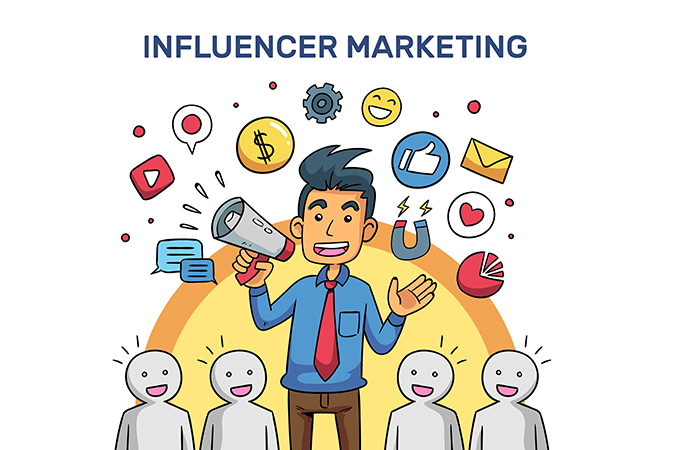
The Evolution of Modern Marketing Through Influencers
The journey of influencer marketing began with celebrity endorsements, but it has evolved into something far more nuanced and accessible. Today’s landscape includes creators at every level, from mega-influencers with millions of followers to nano-influencers who engage deeply with small, highly targeted communities. This democratization has opened doors for businesses of all sizes to participate in campaigns that were once reserved for brands with massive advertising budgets.
Social media platforms have become the primary stage for these partnerships. Instagram, TikTok, YouTube, and emerging platforms provide the infrastructure where influencers create content, engage audiences, and drive consumer behavior. Each platform offers unique advantages, allowing brands to tailor their approach based on where their target audience spends time.
Why Businesses Are Investing Heavily in This Strategy
Companies are redirecting significant portions of their marketing budgets toward influencer marketing for compelling reasons. The return on investment often exceeds traditional advertising channels, with studies showing that businesses earn substantial returns for every dollar spent on influencer partnerships. Beyond immediate sales, these collaborations build brand awareness, enhance credibility, and create lasting impressions in consumers’ minds.
The targeting precision available through influencer partnerships cannot be overstated. Instead of casting a wide net and hoping to reach the right people, brands can partner with creators whose audiences perfectly match their ideal customer profiles. A fitness supplement company can work with health and wellness influencers, while a gaming peripheral manufacturer can collaborate with esports streamers, ensuring their message reaches genuinely interested potential buyers.
Types of Influencers and Their Unique Advantages
Understanding the different tiers of influencers helps brands make strategic partnership decisions. Mega-influencers, typically celebrities or internet personalities with over a million followers, offer massive reach and broad visibility. Their influence spans demographics and can create viral moments that dominate social conversations.
Macro-influencers, with follower counts between 100,000 and one million, strike a balance between reach and relatability. They’ve built substantial audiences while maintaining more personal connections than their mega counterparts. Many maintain specific niches, making them valuable partners for targeted campaigns.
Micro-influencers represent the sweet spot for many brands. With 10,000 to 100,000 followers, these creators enjoy high engagement rates and deep audience trust. Their recommendations carry weight because followers view them as accessible peers who genuinely use and believe in the products they promote.
Nano-influencers, despite having fewer than 10,000 followers, shouldn’t be overlooked. These creators often serve hyperlocal communities or extremely specific interest groups. Their audiences are highly engaged, and their authentic voices can drive significant impact for brands willing to work with multiple partners simultaneously.
Crafting an Effective Campaign Strategy
Success in influencer marketing requires more than simply finding popular creators and asking them to post about your product. The most effective campaigns begin with clear objectives. Are you launching a new product and need awareness? Building credibility in a new market? Driving direct sales during a specific period? Your goals should inform every subsequent decision.
Identifying the right partners demands research and strategic thinking. Beyond follower counts, examine engagement rates, audience demographics, content quality, and brand alignment. An influencer might have millions of followers, but if their audience doesn’t match your target market or their values conflict with your brand identity, the partnership will likely disappoint.
Successful collaborations give influencers creative freedom while maintaining brand guidelines. These creators understand their audiences better than anyone else. They know what resonates, what feels authentic, and what will drive engagement. Overly scripted content or rigid requirements often result in posts that feel forced and perform poorly.
Building Authentic Partnerships That Deliver Results
The foundation of effective influencer marketing rests on authenticity. Modern consumers possess finely tuned radar for inauthentic endorsements. They can instantly distinguish between genuine recommendations and purely transactional promotions. Brands must prioritize long-term relationships over one-off posts, allowing influencers to integrate products naturally into their content over time.
Compensation structures vary widely in the industry. Some partnerships involve direct payment, while others provide free products, affiliate commissions, or combination arrangements. The key is ensuring fair compensation that reflects the value the influencer brings while aligning incentives so both parties benefit from campaign success.
Transparency has become non-negotiable in modern influencer marketing. Regulatory bodies worldwide require clear disclosure of paid partnerships. Beyond legal compliance, transparency builds trust with audiences who appreciate honesty about commercial relationships. Phrases like “sponsored,” “ad,” or “paid partnership” must be prominently displayed.
Measuring Success and Optimizing Performance
Effective measurement separates successful programs from wasted investments. The metrics that matter depend on campaign objectives. Awareness campaigns focus on reach and impressions, while conversion-focused efforts track clicks, purchases, and return on ad spend. Engagement metrics like comments, shares, and saves indicate how well content resonates with audiences.
Many brands employ specialized tracking methods to attribute sales directly to influencer partnerships. Unique discount codes, custom landing pages, and affiliate links provide concrete data on how many customers each partnership generates. This attribution allows for data-driven decisions about which influencers deliver the best results and deserve continued investment.
The insights gained from one campaign should inform the next. Notice which types of content perform best, which influencers drive the most engagement, and which platforms deliver superior results. This continuous improvement approach ensures your influencer marketing strategy becomes more effective over time.
Navigating Challenges and Avoiding Common Pitfalls
Despite its potential, influencer marketing presents challenges that brands must navigate carefully. Fake followers and engagement remain persistent problems in the industry. Some creators inflate their apparent influence through purchased followers and bot-generated engagement. Sophisticated vetting processes, including third-party analytics tools, help identify authentic influencers with genuine reach.
Brand safety concerns require vigilance. An influencer’s past content, personal behavior, or future actions can reflect on your brand. Thorough background research and ongoing monitoring help prevent associations with creators whose actions might damage your reputation. Clear contracts should include clauses addressing potential issues.
The influencer landscape changes rapidly as platforms evolve, algorithm shifts occur, and audience preferences develop. What worked brilliantly last year might fall flat today. Staying informed about industry trends, platform updates, and emerging creators ensures your approach remains current and effective.
The Future Landscape of Digital Influence
The trajectory of influencer marketing points toward increasing sophistication and integration with broader marketing strategies. Artificial intelligence tools are emerging to help brands identify ideal partners, predict campaign performance, and optimize content strategies. These technologies enhance human decision-making rather than replacing the relationship-building that remains central to success.
Video content continues its dominance, with short-form video particularly powerful for capturing attention and driving engagement. Platforms like TikTok have demonstrated how quickly video content can go viral, and successful influencers are those who master video storytelling. Brands must adapt their approaches to support video-first content creation.
The line between influencer marketing and other digital strategies continues to blur. Many brands are building their own communities and cultivating brand ambassadors from their customer base. User-generated content campaigns encourage regular customers to create content, effectively turning loyal users into micro-influencers who spread authentic messages.
Implementing Your Strategy for Maximum Impact
Starting your influencer marketing journey begins with understanding your brand’s unique position and objectives. Small businesses might start with a few nano or micro-influencer partnerships to test the waters, while larger companies might launch comprehensive campaigns spanning multiple tiers of creators.
Budget allocation should reflect both your financial resources and your goals. While mega-influencer partnerships command premium prices, many successful campaigns achieve excellent results through multiple collaborations with smaller creators whose combined reach and engagement deliver substantial value.
Documentation and professionalism matter throughout the partnership process. Clear contracts, defined deliverables, agreed timelines, and transparent communication prevent misunderstandings and ensure both parties meet their obligations. Many brands maintain dedicated influencer relationship managers to nurture these important partnerships.
Conclusion: Embracing the Power of Authentic Connection
The rise of influencer marketing reflects a broader shift toward authentic, relationship-based communication in the digital age. As consumers become increasingly skeptical of traditional advertising, the trusted voices of influencers provide bridges between brands and audiences. Companies that embrace this approach, invest in genuine partnerships, and commit to delivering value through influencer collaborations position themselves for success in the evolving digital marketplace.
The most successful brands view influencer marketing not as a temporary tactic but as a core component of their overall marketing strategy. By building authentic relationships, respecting creative freedom, measuring results diligently, and adapting to changing landscapes, businesses can harness the power of influence to achieve their goals and build lasting connections with their target audiences. The future belongs to brands that understand the value of these human connections in an increasingly digital world.
Follow us : Social media http://facebook.com
Read more : https://digisweksha.com/
Add a Comment